Vivo X300 Pro Has Groundbreaking New Sony Sensor and Zeiss Cameras
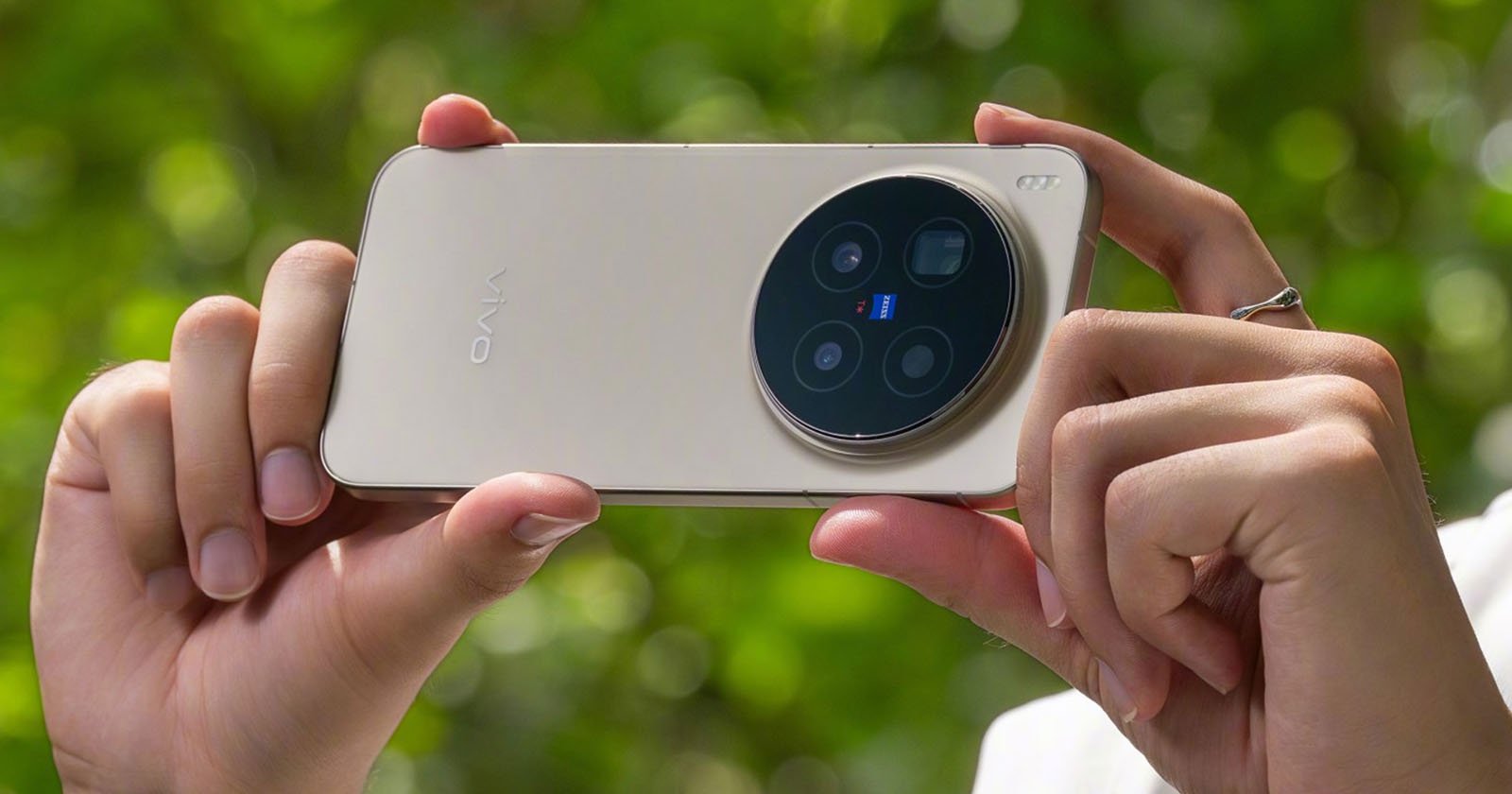
Vivo has unveiled its new flagship smartphone, the X300 Pro. The Vivo X300 Pro, which will arrive first in China, promises significant upgrades to its Zeiss-engineered triple rear camera system.
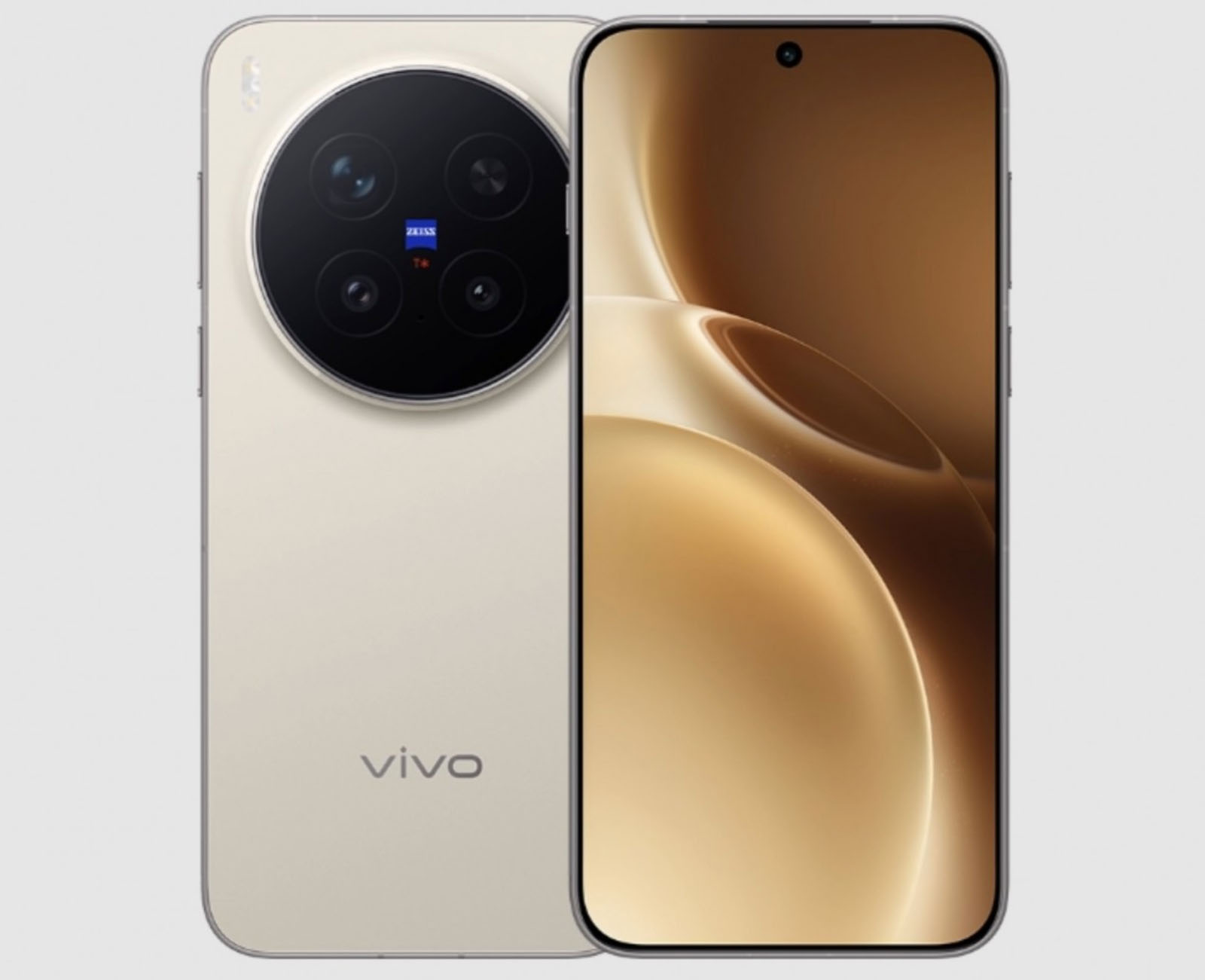
The X300 Pro’s improved Zeiss-engineered rear camera system includes a 50-megapixel main camera using Sony’s brand new LYT-828 image sensor, a 50-megapixel ultra wide camera with a Samsung JN1 sensor, and a new 200-megapixel telephoto camera that utilizes Samsung’s HPB image sensor, as GSM Arena reports.
The new main camera image sensor is quite impressive. The LYT-828 is a Type 1/1.28-inch sensor paired with a Zeiss T* f/1.57 lens and gimbal-based optical image stabilization system that promises 5.5 stops of stabilization. Sony first unveiled the LYT-828 sensor this summer, and promises a dynamic range equivalent to around 17 stops thanks to Sony’s new hybrid-frame HDR (HF-HDR) technology.
HF-HDR tech relies upon dual conversion gain and multi-frame HDR image capture. At a simple level, the image sensor enables smartphones, like the Vivo X300 Pro, to combine multiple frames at different exposure levels and sensitivities into a single frame with an expanded dynamic range and improved image quality. This concept is not new — this is how many smartphone camera systems operate — but as Sony explained in June, HF-HDR is unique in its capabilities:
A successor to the LYT-818, this 1/1.28-type model is designed mainly for main and sub-cameras in smartphones. It is equipped with the same basic functionality as its predecessor while incorporating the newly developed HDR technology, Hybrid Frame-HDR (HF-HDR) , for even higher quality imaging. HF-HDR technology is a fusion of multiple HDR functions. One of these is single-frame HDR technology that uses dual conversion gain, which was included on conventional products. Another is multi-frame HDR technology, which merges short time exposure frames with DCG data on the latter stage application processor. By combining these HDR functions, the new product delivers a high dynamic range performance of over 100dB, the highest of any SSS’s CMOS sensors for mobile applications. This significantly suppresses highlight blowout in bright areas, as well as blackout in dark areas, delivering images that more closely resemble what the human eye actually sees.
Further, the LYT-828’s technological advancements, particularly concerning speed and processing, enable HDR functionality at all times in-camera, including during preview and while recording video.

While the X300 Pro’s ultra-wide camera is pretty standard fare, its telephoto camera is also quite fascinating. Straight out of the box, the telephoto camera has a relatively large 200-megapixel Type 1/1.4 sensor and an 85mm equivalent f/2.7 lens. That delivers a 3.7x optical zoom and has plenty of pixels for extensive digital zoom.
However, the X300 Pro also has a familiar trick up its sleeve. Like last year’s X200 Ultra, the new X300 Pro supports Vivo’s telephoto extender attachment. This specialized telephoto lens add-on works alongside a mounting case, which also includes a dedicated camera grip to give mobile photographers even more reach. Vivo says that the external lens will deliver improved image quality compared to digital zoom and, with the help of AI upscaling technology, enable extreme telephoto reach. By combining the new telephoto camera, the lens attachment, plus digital zoom, the X300 Pro promises up to 1600mm equivalent focal lengths.

Beyond the camera features, the Vivo X300 Pro features a 6.78-inch 120Hz HDR display, IP68 rating, and the new MediaTek Dimensity 9500 SOC. The device also includes dual stereo speakers, Bluetooth 6, Wi-Fi 6, and it runs on Vivo’s customized version of Android 16, OriginOS 6.
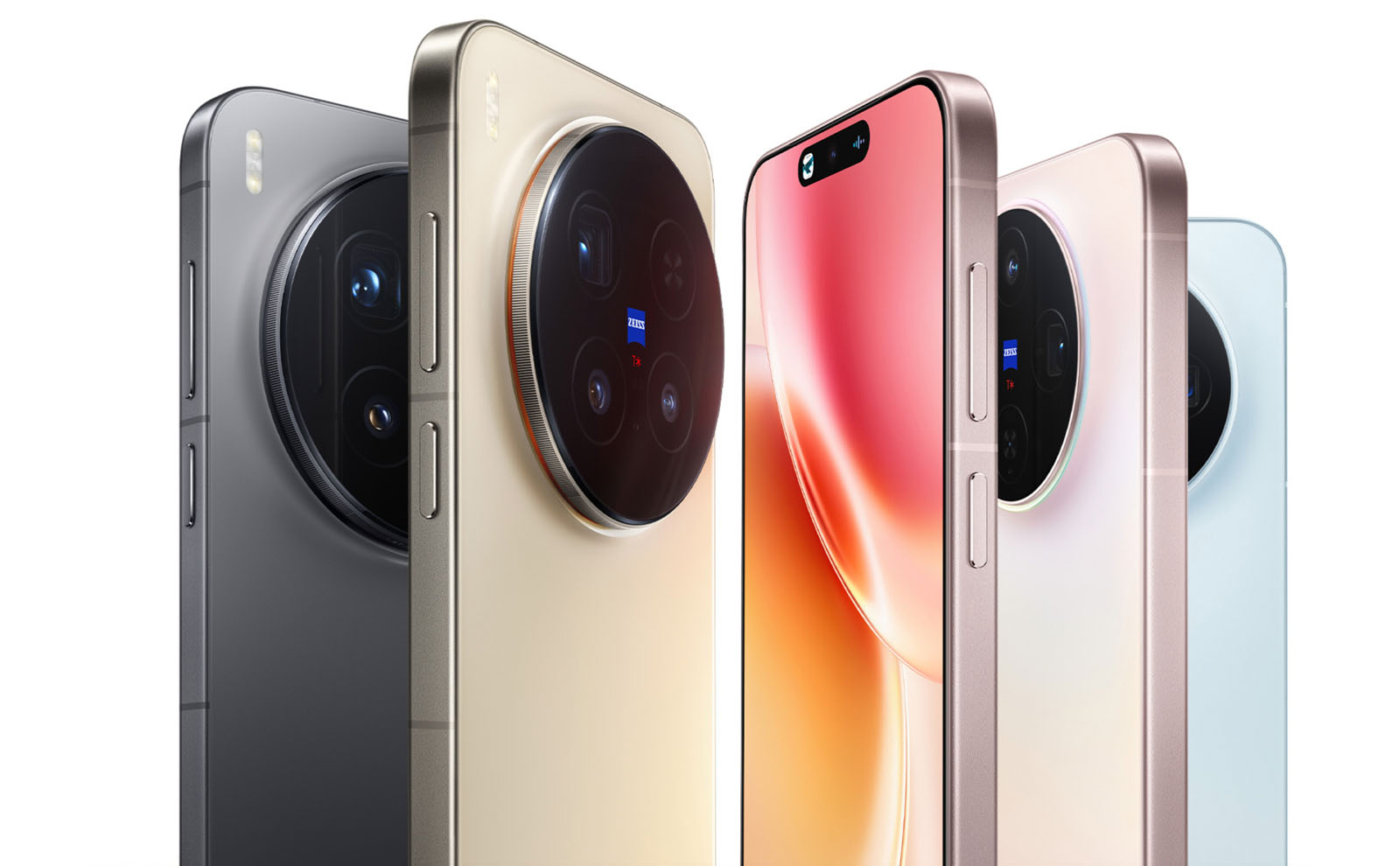
The Vivo X300 Pro is launching in China starting at CNY 5,299, which is just under $750. Global availability has not yet been unveiled.
Image credits: Vivo and Sony