Chinese Photographer Known for Human Rights Reporting Faces Five Years in Jail
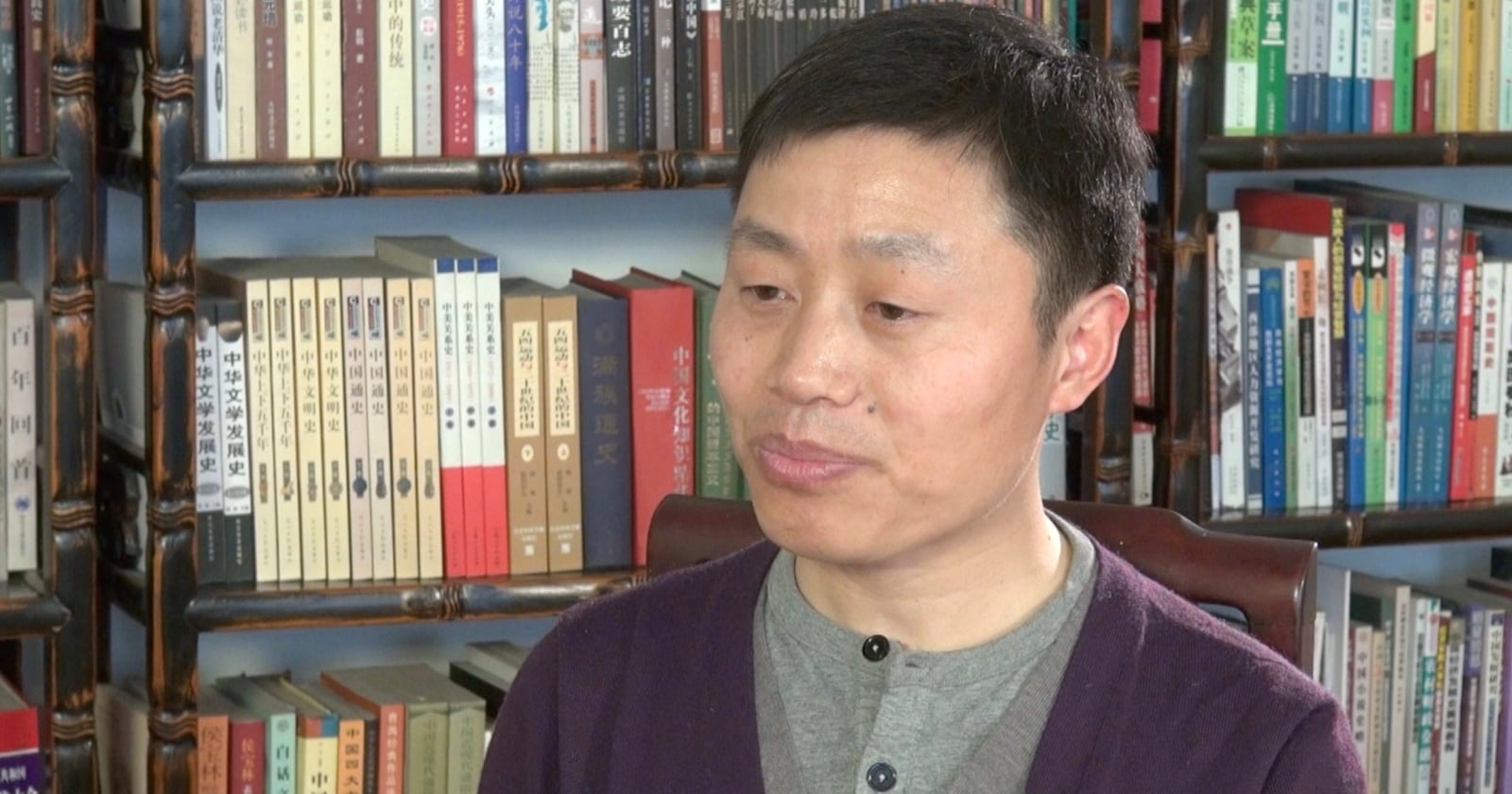
Chinese photographer Du Bin, known for documenting human rights abuses in China, has been detained in Beijing and faces up to five years in prison.
Du, a photojournalist and filmmaker who previously worked for The New York Times before resigning under pressure from authorities, had been caring for his hospitalized mother alongside his sister in Beijing. Du had planned to travel to Japan on October 16, but police arrested him at his residence in Beijing the evening before his flight.
According to multiple reports, Du has been held at the Shunyi Detention Centre in Beijing since October 15. He is accused of “picking quarrels and provoking trouble,” a charge frequently used by the Chinese government to suppress journalists and press freedom defenders. Both Reporters Without Borders (RSF) and the Committee to Protect Journalists (CPJ) have called for Du’s immediate release.
RSF notes that Du has faced harassment for more than a decade due to his investigations into state-led human rights abuses. He has now been detained for over 40 days and faces up to five years in prison.
“By arbitrarily arresting Du Bin, withholding information from his family, and charging him with a vague, catch-all offence, the Chinese regime is demonstrating its determination to prevent one of the country’s last independent photojournalists from doing his job,” Antoine Bernard, RSF Director of Advocacy and Assistance, says in a statement. “The international community must step up pressure on Beijing to secure Du’s release, along with that of all other journalists and press freedom defenders detained in China.”
Du has reported extensively on human rights issues and written multiple books on China’s leaders, politics, and historical events. Early in his career, he focused on the struggles of China’s vulnerable and marginalized groups in Beijing. From 2004, he worked as a photographer for The New York Times’ Beijing bureau but was forced to leave in 2011 due to pressure from the Chinese Communist Party (CCP).
In 2013, Du released the documentary Above the Ghosts’ Heads: The Women of Masanjia Labor Camp, exposing the torture and persecution of Falun Gong practitioners and petitioners at Masanjia Labor Camp in Liaoning Province. He was detained for a month on suspicion of “leaking state secrets” following the release of the documentary. He was briefly taken into custody again in 2020, also on charges of “picking quarrels and provoking trouble,” in connection with his publications.
Image credits: Header photo via Wikimedia commons/ Public Domain.