Kodak Charmera Review: Reto Makes a Retro Redo
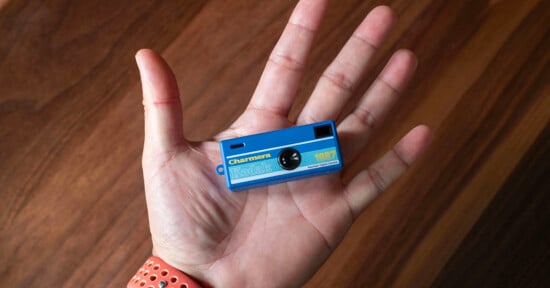
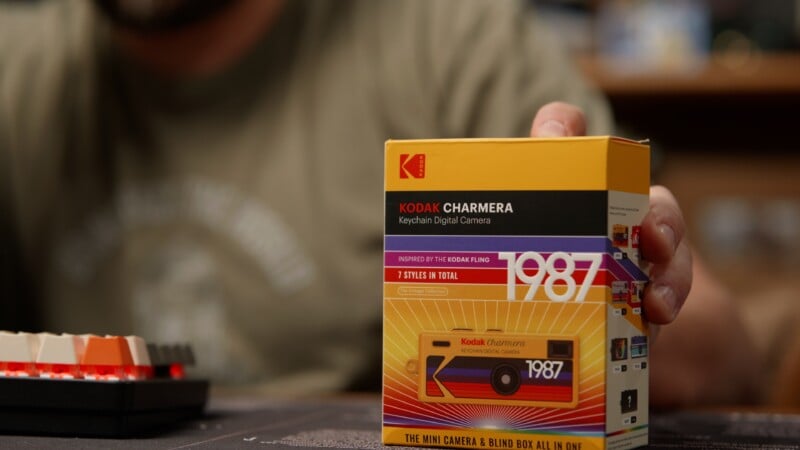
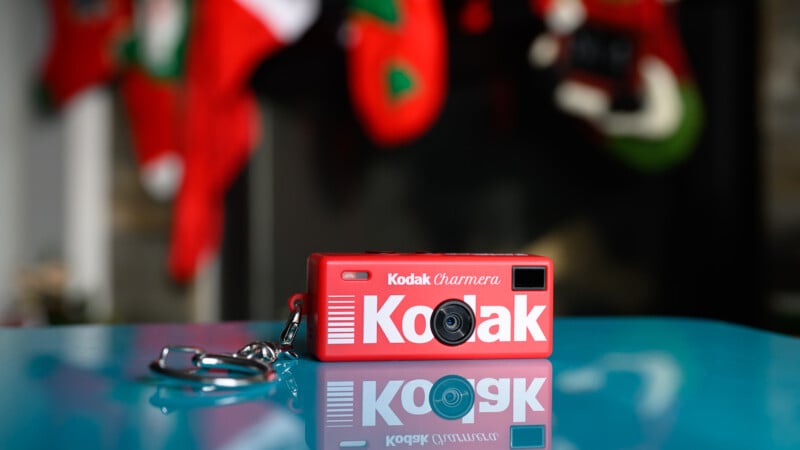
It’s the holiday season, and Reto has come up with the perfect Christmas present for photographers. The new Kodak Charmera is a tiny keychain-sized camera that uses licensed Kodak designs and logos to incredibly popular effect. The Charmera is true to its name and is a marketing masterpiece that is almost impossible to get now. I wanted to find out if this toy camera is worth all the hype, and whether it is worth purchasing after the holiday season.
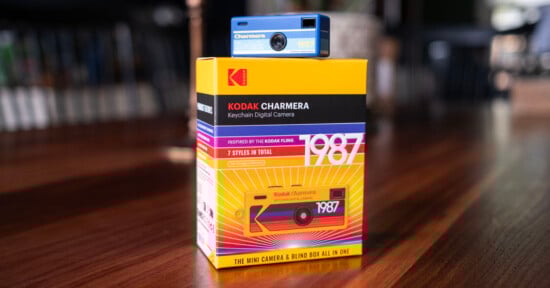
The secret to the Charmera’s success is four parts. It’s tiny. It’s only $30. Its Kodak livery is adorable. Lastly, the Charmera is a blind-box purchase, which means you never know what you’re going to get. There are six standard color schemes, and a possible transparent version which only occurs 1 in 48 times. There is no denying that the fun factor of not knowing what you’re gonna get, and the low cost, are making this the Labubu of the photographic world.
Kodak Charmera Review: How It Feels
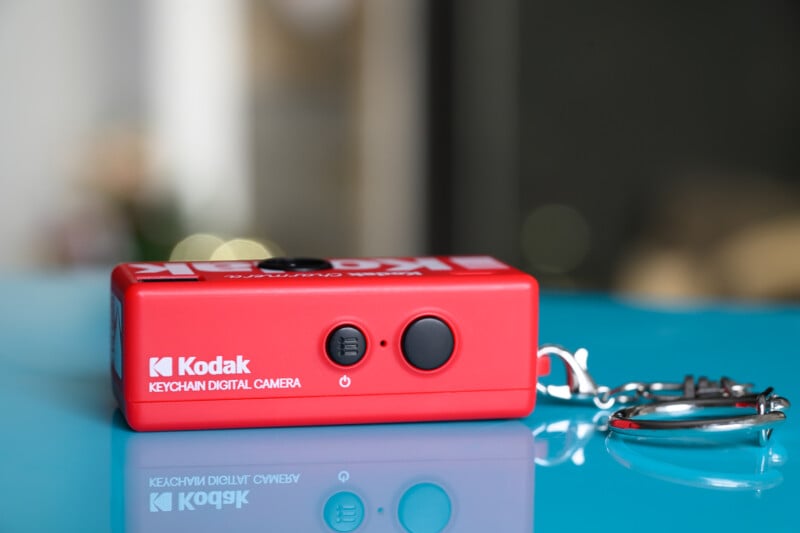
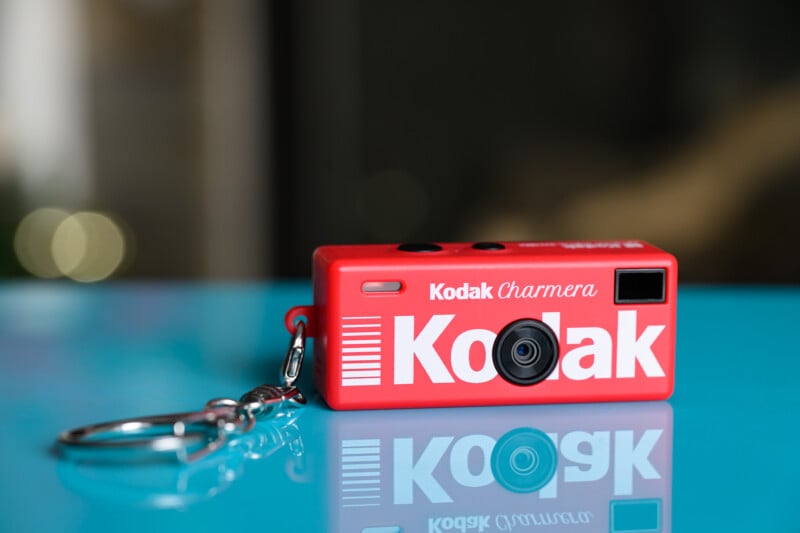
From a handling standpoint, these cameras essentially weigh nothing, and yet the butter-stick shape of the camera is quite easy to hold. Controls are very limited, with a very simple shutter button on top and a power button beside it. There are a pair of arrows to cycle between the color modes and filters, as well as a playback button, which also confirms menu selections. It goes without saying that there is no manual control to speak of.
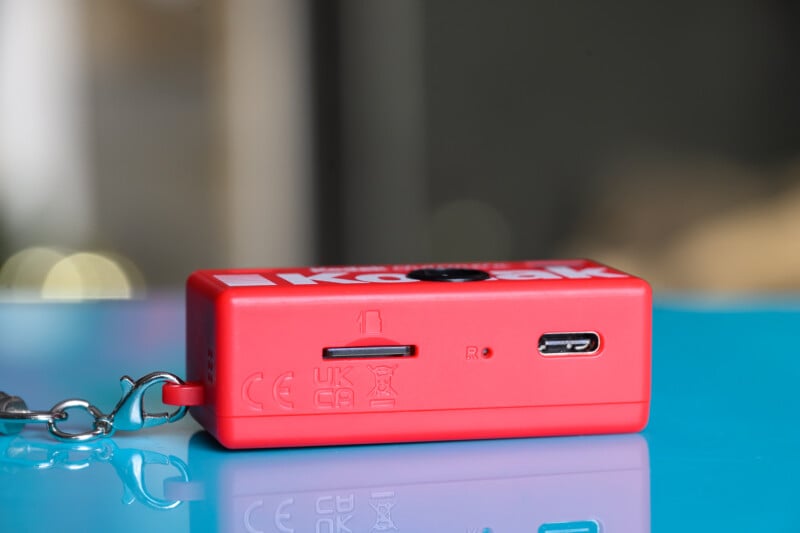
When you turn the camera on, you are greeted with a menu to decide if you want to shoot photos, videos, or to set the date and time. This is a slow process, however, and is further delayed by the roughly 3-second time required to power the camera on. At least the camera shoots fairly quickly when the shutter button is depressed.



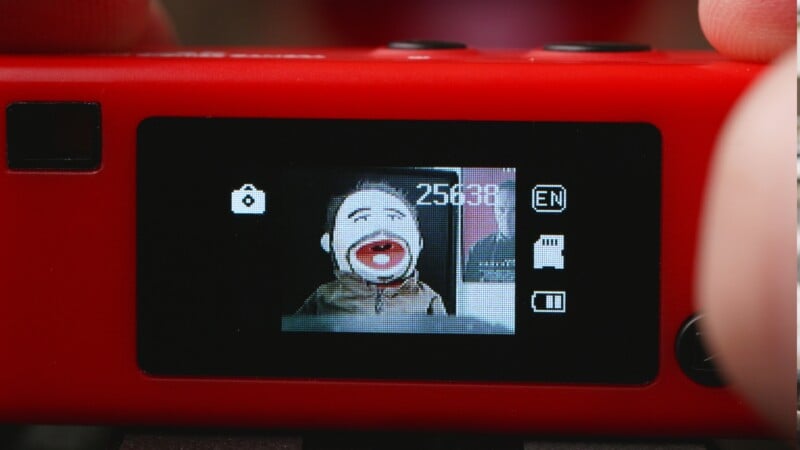
You have both an optical viewfinder, which is essentially a tiny tunnel of plastic to look through, and a brutally small LCD on the back of the camera to compose with. These devices are comically small and almost useless, and I struggled to compose accurately, resorting instead to approximating the blobs and shapes presented to me. But it is all in good fun, and in the end, a camera like this is about being surprised by what you captured to some extent.
Kodak Charmera Review: How It Shoots
Image quality is objectively terrible, with 1.6 megapixels as your overall resolution and incredibly soft images out of any lower-light situations. You can cycle through a standard color profile, as well as a sepia-toned warm option, and a cold blue tone as well. There is also a fairly decent black and white mode. These four profiles give you very limited dynamic range, so expect the highlights to blow easily, and any shadows to largely go black.




There are also four high-contrast color modes, which give basically a two-tone color and shadow look that gets old pretty quickly. You can shoot grey, red, blue, or yellow for these high-contrast images. Kodak also has some cutesy frames that even change the aspect ratio of your images. There is a calendar look, a Kodak hearts and cameras border, an ultra-wide ratio within a comical camera body, and a 35mm film negative frame as well. This is all pretty standard toy camera stuff to play with.




The video mode on the camera shoots a 4:3 ratio 1440×1080 resolution video, but the quality is way less than HD should be. Expect lots of rolling shutter, compression artifacts, and softness to be present. The audio pickups are brutal to use as well, and I honestly would never touch the video modes ever again, myself. I get that the overall quality of the images is besides the point with this camera, but I’ve seen some cheap cameras that have a ‘vibe’ to them, and I don’t think the Charmera quite hits that mark.



Kodak Charmera Review: Toy or E-Waste?
I realize that I am being a Christmas Grinch. The Kodak Charmera is indeed charming, and Reto has done a great job of tapping into the fun and retro design that is making this camera so popular. Frankly, they’ve done a great job of keeping the cost down, too. However, there is no getting past the fact that this product is far more about style over substance, and I am convinced that many users will very quickly tire of the poor image quality and limited capabilities. Then, the camera will sit idle, the internal battery will fail, and the Charmera will become just another piece of electronic waste in a world already full of it. This is a wonderful Christmas gift that I think will bring short-lived smiles and fleeting fun.
Are There Alternatives?
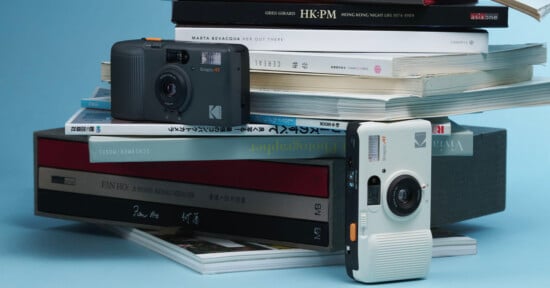
When it comes to toy cameras, there are too many options to count. Not many will offer the good looks and compact design of the Charmera, though, but they may offer better capabilities and perhaps more longevity. I would research some alternatives before jumping the gun, or consider a good used point-and-shoot camera that needs a good home.
Should You Buy It?
Yes. When I evaluate my recommendations, I do it based on the merit and original intention of the camera. In this regard, the Charmera is an affordable, stylish, marketing masterpiece, and would make for a charming gift, even if the overall experience is a shallow one.