Camp Snap CS-Pro Review: Slightly More Tolerable
Everyone wants a point-and-shoot digital camera. There is something to be said for having a compact, simple, fun, pocket camera that you can take photos with, just for the pure joy of it. Memories to be made, without having to know the exposure triangle, or shoot RAW photo formats and edit later. But not everyone wants a used hand-me-down that may or may not function properly, and Camp Snap is hedging its bets that some consumers out there want a fresh start.
More importantly, Camp Snap, wants to provide a product for younger photographers that doesn’t distract the mind with screens and flashing lights. This is an absolutely noble sentiment that I agree with, and so far, Camp Snap is finding much success.
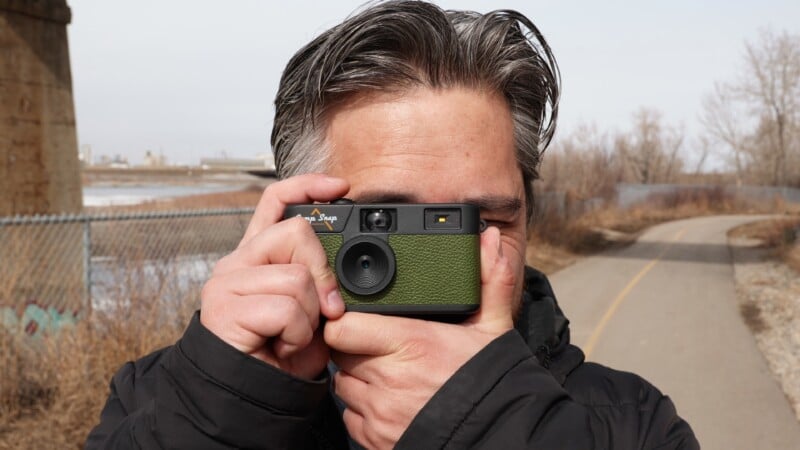
However, although the base Camp Snap camera I reviewed absolutely delivered on the affordability claim (and the simplicity one, too), it was a frustrating and limiting experience that sapped almost all the fun out of using it. Camp Snap may have come up with a solution by creating the new $100 CS-Pro model, which maintains the lack of a back LCD panel, ups the cost, but also increases the capability and adds quality-of-life improvements that might make the experience enjoyable enough to be, well, enjoyable.
Camp Snap CS-Pro Review: How It Feels
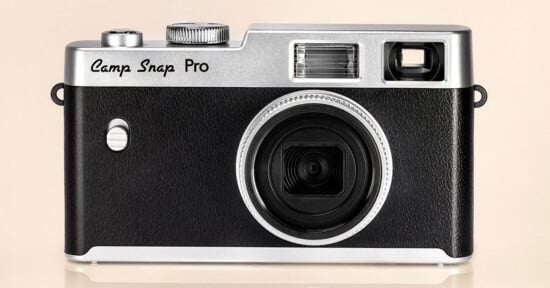
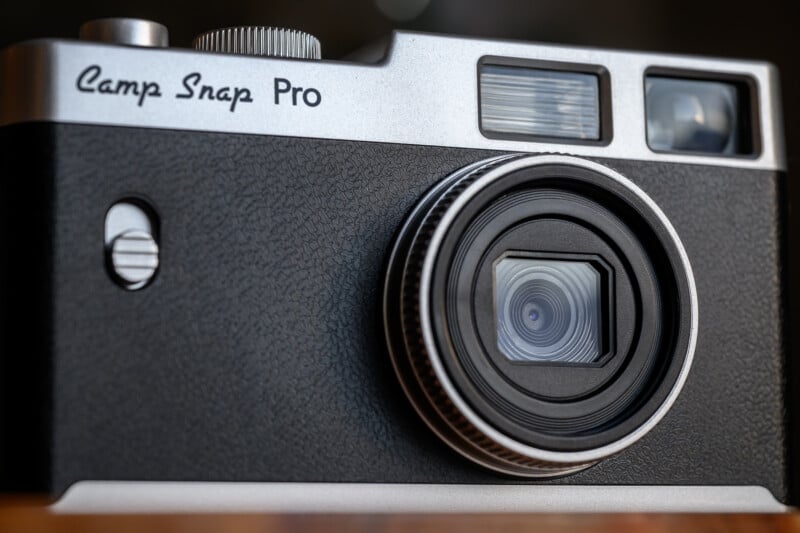
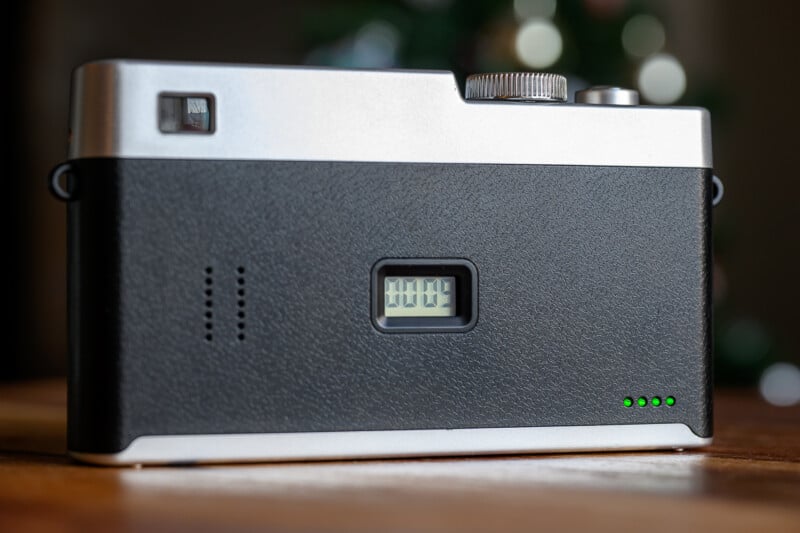
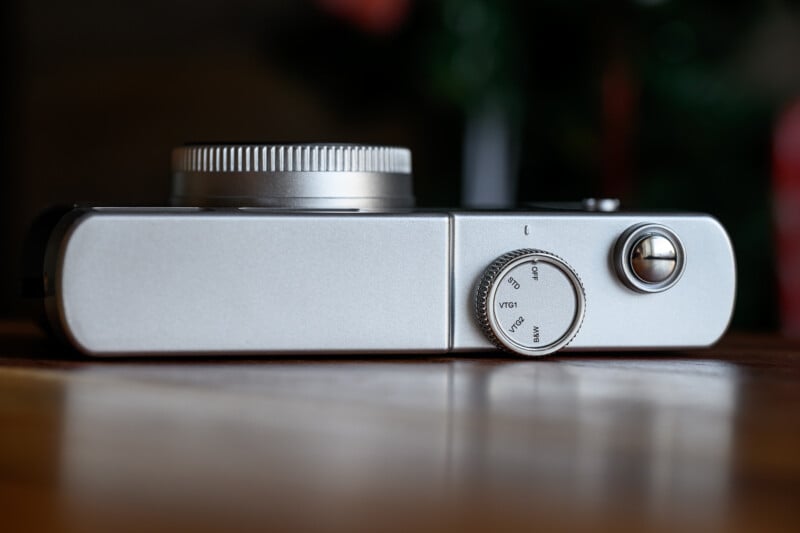
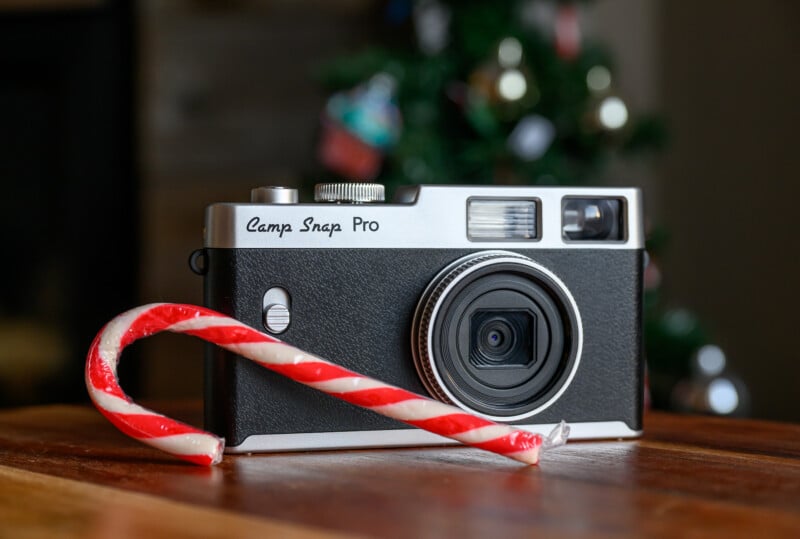
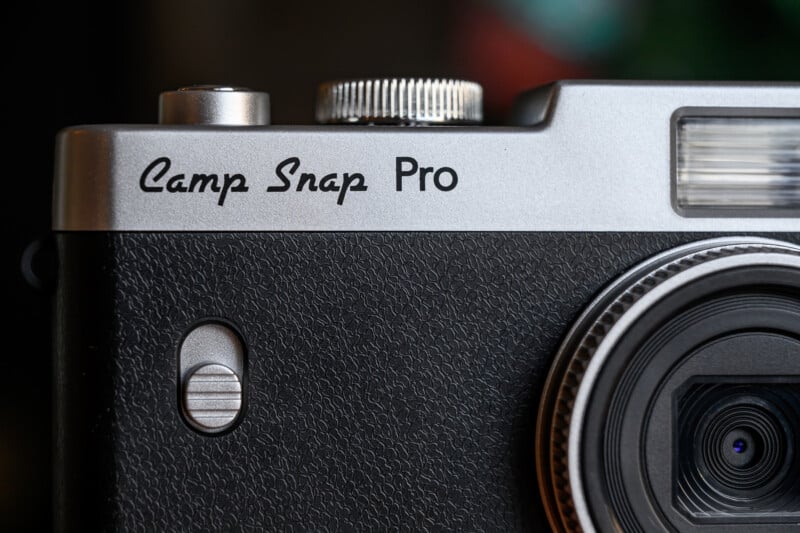
The original camera had fun colors that you could choose from on the front plate, but everything else about the experience was cheap, plastic, and uninspiring. The new CS-Pro foregoes optional colors for now, but instead provides a vintage-inspired chrome finish and more intricate molding across the body. Make no mistake, it still feels like nothing in the hand, with a very plastic and toy-like build, but we get a top and bottom plate with a control dial, which also gives a proper on/off switch, unlike the first camera.
There is an actual door latch to access date and time controls, as well as the microSD card slot. The base model could only access these functions via a screw holding the area shut. The CS-Pro does have an additional screw lock as an option if you want to better secure the memory card from younger users.
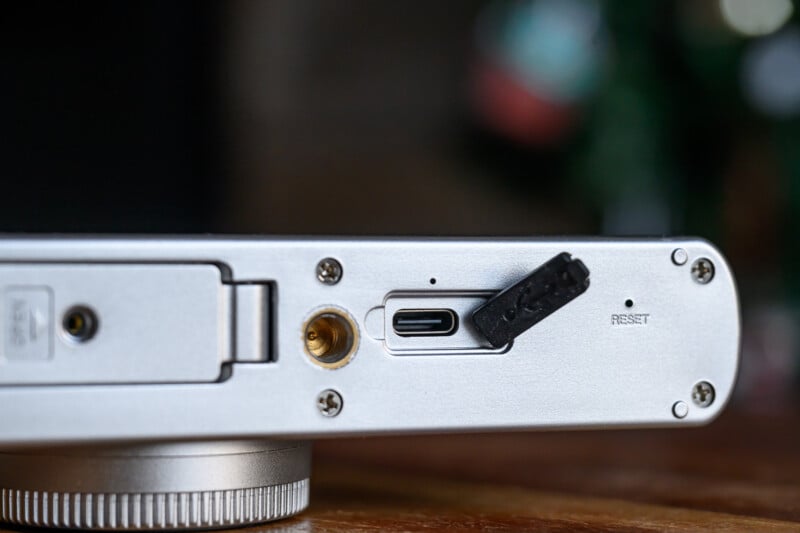
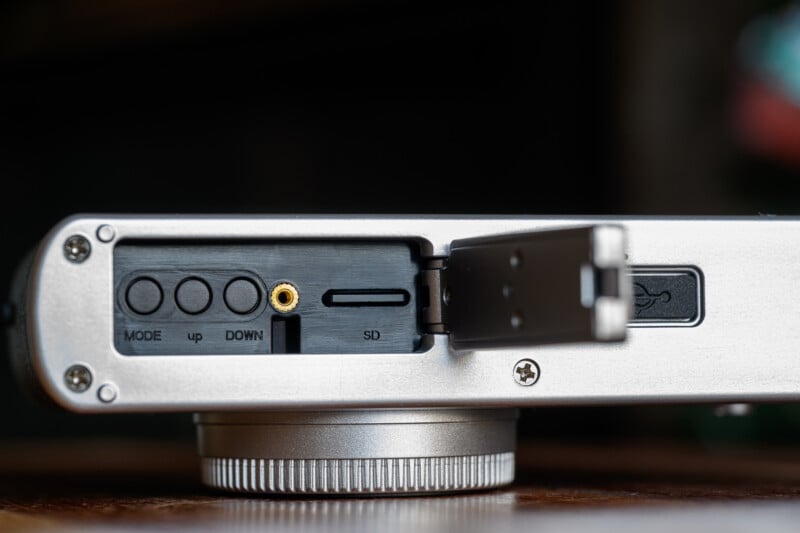
The CS-Pro has a USB-C port located on the bottom of the camera, which facilitates both image transfers as well as charging of the camera. Unfortunately, Camp Snap has decided to go with an internal and non-removable battery. Due to the lack of a screen, the battery life is quite good, with about 500 shots on a full charge. However, this is the kind of camera that can get forgotten about in a closet or stored away in a drawer for a long period of time. If that battery fails and discharges, the CS-Pro becomes just another piece of E-waste that the world does not need.
The viewfinder is pretty small and very basic, but at least the compositions were not wildly off from what was expected.


Camp Snap CS-Pro Review: How It Shoots
The Camp Snap is not about getting the best image quality. In fact, the whole point is to get that grainy, old-school point-and-shoot representation out of the photographs. Camp Snap did make an effort to improve the usability of the files, though, with a better Type 1/3 sensor mated to a 22mm full-frame equivalent f/2.2 lens. The resolution has doubled to 16 megapixels, offering a little more potential to crop or print images.
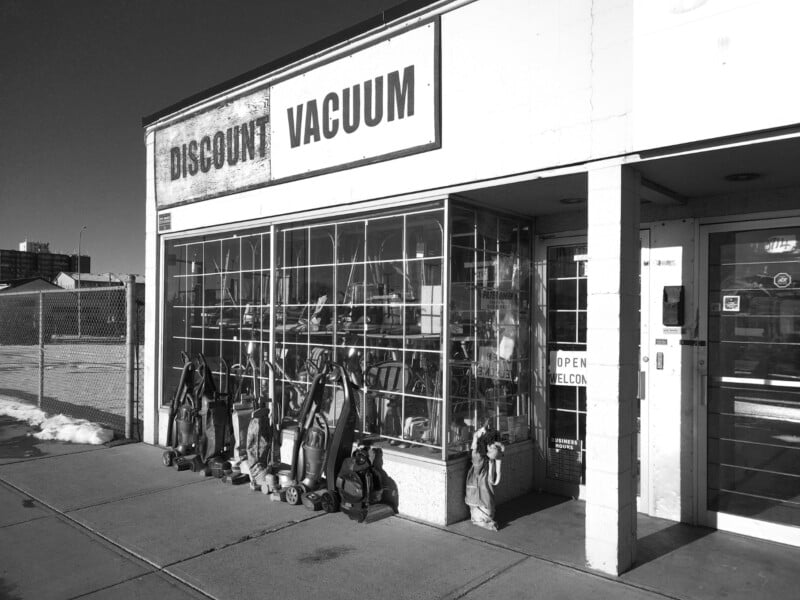
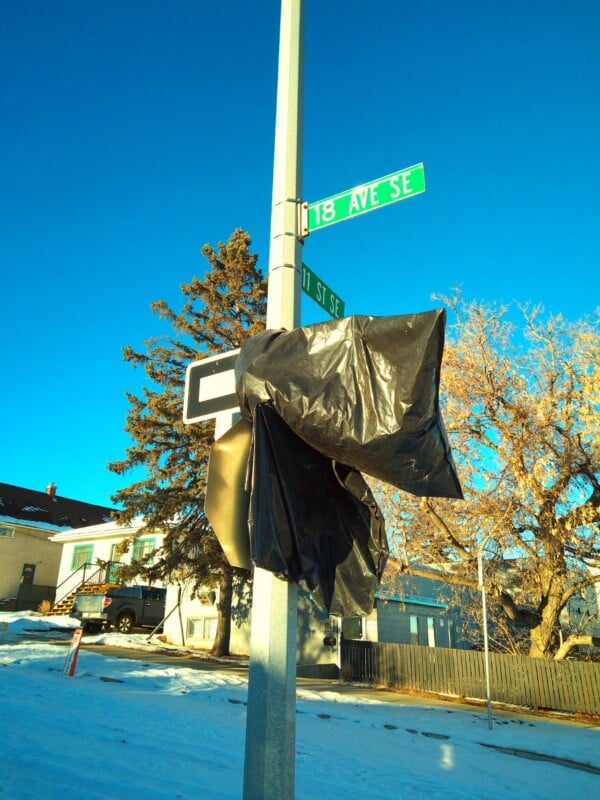
The control dial also gives four color profile options, with a standard look, magenta-washed vintage look, teal-washed vintage look, and a surprisingly good black and white mode. The original camera could only use one fixed profile at a time, and this involved connecting the camera to a computer and downloading a file in an extremely inconvenient and involved way. This method was so heinous as to be basically unusable, unless you only ever wanted to use one profile and almost never change it afterward. The new dial on the CS-Pro is a huge improvement.


There is still a pretty hefty amount of delay from when the camera is switched on to when it can fire. About a full second has to go by before the first shot can be taken, so I found myself instinctually flicking the camera on before approaching a potential scene with much anticipation. There is also about a full second required in between shots, which can be very frustrating.
Furthermore, the only confirmation that a photo has been taken is a subtle auditory cue from the camera’s speaker. It sounds like a door clicking shut, and is often too quiet to perceive. I found myself often mashing the shutter multiple times in order to ensure a photo was taken. This is hardly confidence-inspiring behaviour. The one silver lining is that the delay from touching the shutter to taking the photo is almost instantaneous. This is a stark contrast from the base model, which had a very annoying delay that had to be accounted for if a particular moment was to be captured.


The target audience for this type of camera is often enamored with the look of stark flash photography that has become so popular in recent times. Having a bright, even somewhat over-exposed subject, with a background fading into darkness, is a vibe that many aspire to recreate, which is why I found it so perplexing when the base model camera had an LED flash system installed. Not only is an LED woefully underpowered, but it also fails to give the look that is desired right now.
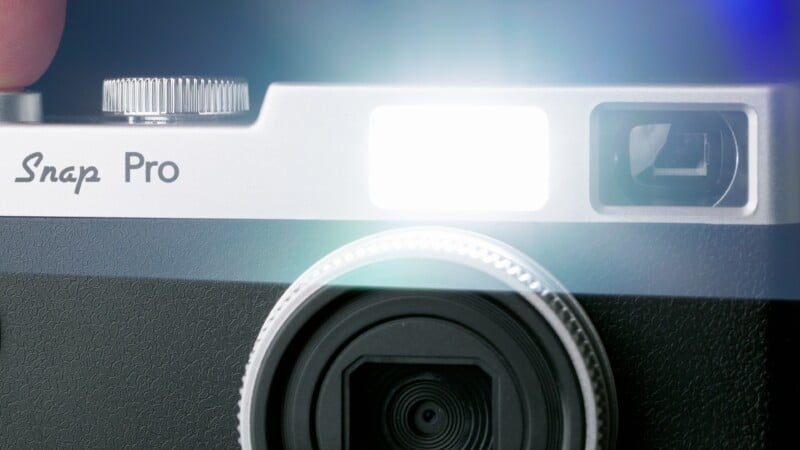
This lack was one of my main points of criticism of the original camera, and I am very happy to report that the CS-Pro has a traditional, capacitor-powered Xenon flash tube. This flash absolutely delivers the quintessential look with two different power levels. The low power setting only works well on subjects that are within arm’s reach of the camera, and the high power setting is best for subjects or groups about ten feet away.
My only criticism now is that Camp Snap probably should have calibrated the lower power setting to be more appropriate for portraits of people, which tend to either be too dark or too bright in most situations. However, the intention of Camp Snap is for the flash to be either for selfies or large groups of friends, so the power levels do make sense.



The Camp Snap CS-Pro is a Marked Improvement
I think the changes that the Camp Snap CS-Pro brings to the table not only make it a more capable camera, but also a far more enjoyable camera to use. Now, you can say that Camp Snap has to start somewhere and that the original model is a natural step to take, and I would agree. But this camera is what the experience should have been like in the first place. This is the camera that is actually fun, and not as frustrating to play with. If you are looking for a fun distraction or a camera for youthful photographers to capture memories with, this is a good choice. I also applaud the lack of screen because it actually adds to the mystery of seeing what photos were captured at a later date, much like getting a roll of film back from the photo lab. There is a lesson to be had with this camera, and also a rewarding experience for those who might just be starting their photographic journey.



However, none of this can cover the fact that the Camp Snap cameras are still very delicate, very plastic, and essentially a toy. We had issues with the supplied 4GB microSD card failing to record images, and I have serious doubts that the dials and switches will survive continued use. I hate the concept of the internal battery, and the potential for this camera to become just another piece of plastic in a landfill is very likely. No matter how you slice it, the CS-Pro is still very little more than a fun toy that shows just enough potential to be something great down the road. Perhaps Camp Snap will address some of these issues with further iterations of their beloved cameras.
Are There Alternatives?
There are essentially too many alternatives to mention, but the vast majority of similarly priced kids cameras will often have cutesy designs, annoying built-in games, and bulky bodies. I would argue though that they will often be more rugged, given the target audience is small children. The CS-Pro will definitely appeal to parents who want an older child or teen to have a fun point-and-shoot experience, and who might possibly take more care with the camera itself.
Should You Buy It?
Maybe. At least what Camp Snap is trying to provide is a relatively unique experience, and the CS-Pro does achieve it while actually being fun to use.