Leica M EV1 Gains an EVF and Loses the Rangefinder

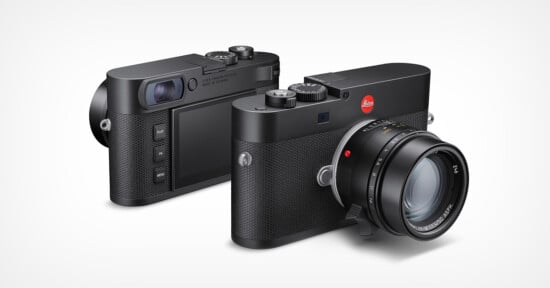
Leica has announced the Leica M EV1, the company’s first-ever M-Camera with an integrated electronic viewfinder. Leica calls the M EV1, which includes many of the same features as the M11 series digital rangefinders, a “significant milestone in its history.”
The brand new member of the Leica M-System, the M EV1, promises to combine the benefits of an electronic viewfinder with the traditional values of the M-System, including Leica’s rich collection of M-series lenses.
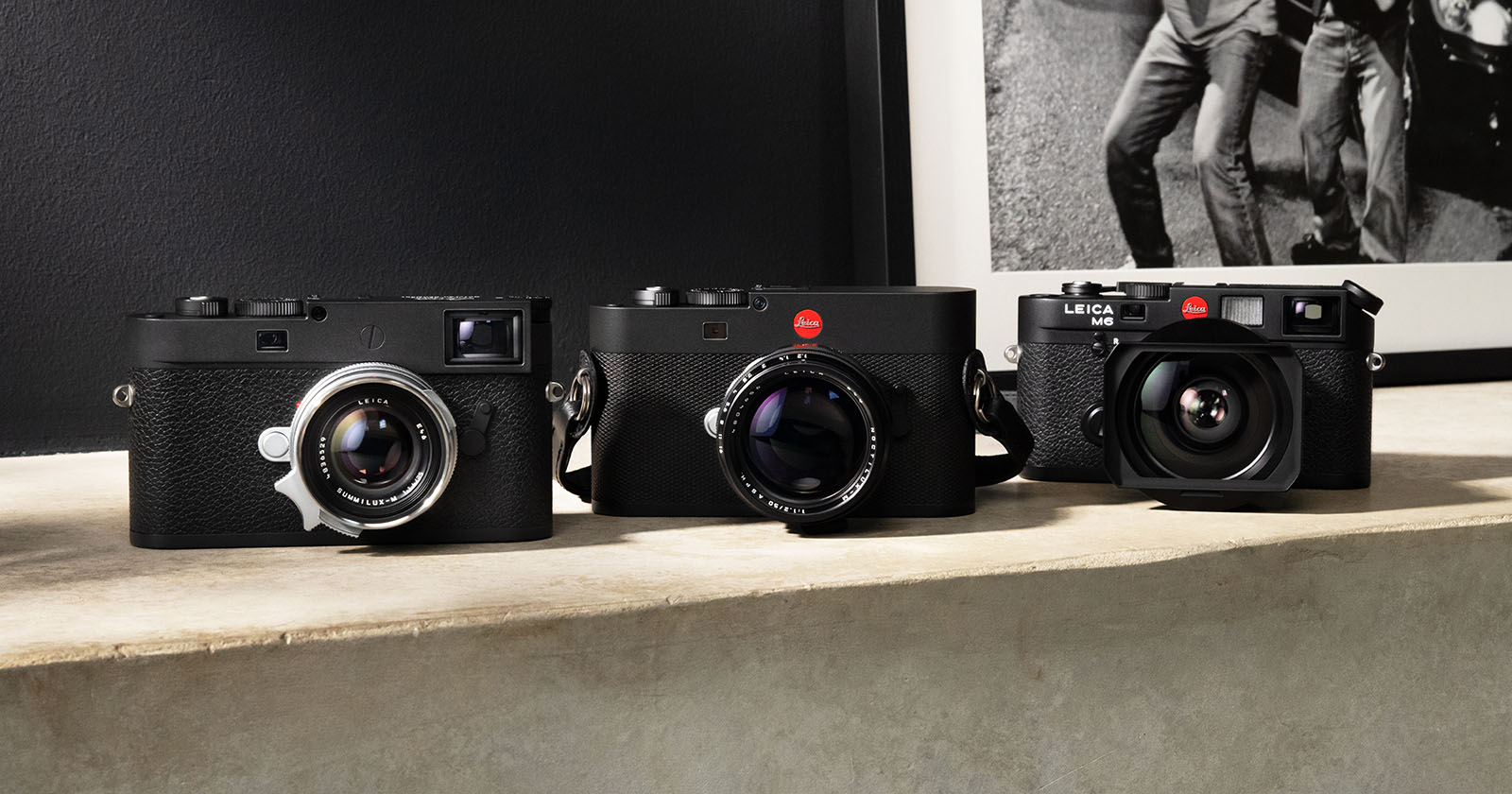
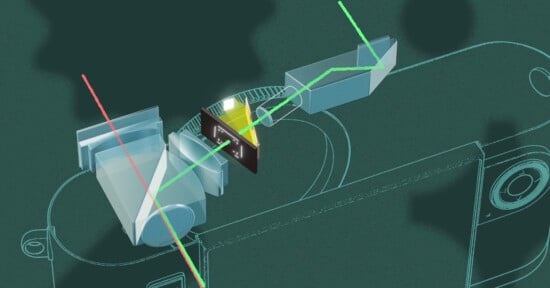
Instead of a rangefinder, the M EV1 has a 5.76-million-dot EVF that enables photographers to quickly zoom in to check focus and preview exposure settings. These two functions typically require the rear display on Leica digital rangefinders, unless the photographer is using an M10-D or M11-D, which lack a rear display altogether. The M EV1’s 0.5-inch EVF delivers 0.76x magnification.


The EVF can also show, if desired, exposure data, including shutter speed, ISO, and exposure value, around the border of the image. The image itself always remains unobscured. The EVF has integrated diopter compensation, allowing users to adjust between -4 and +2 diopters using a setting wheel.

Like other recent Leica cameras, the M EV1 includes focus assist tools, including focus peaking highlights and focus zoom. However, they are enhanced in this case with the new EVF. Further, the M EV1 features a front lever that, instead of being used to preview bright-line frames like on rangefinder M-Cameras, allows the user to switch between focus assists, such as focus peaking or focus magnification, and 1.3x or 1.8x digital zoom modes. These digital zooms apply only to JPEG files, and the original RAW remains untouched.
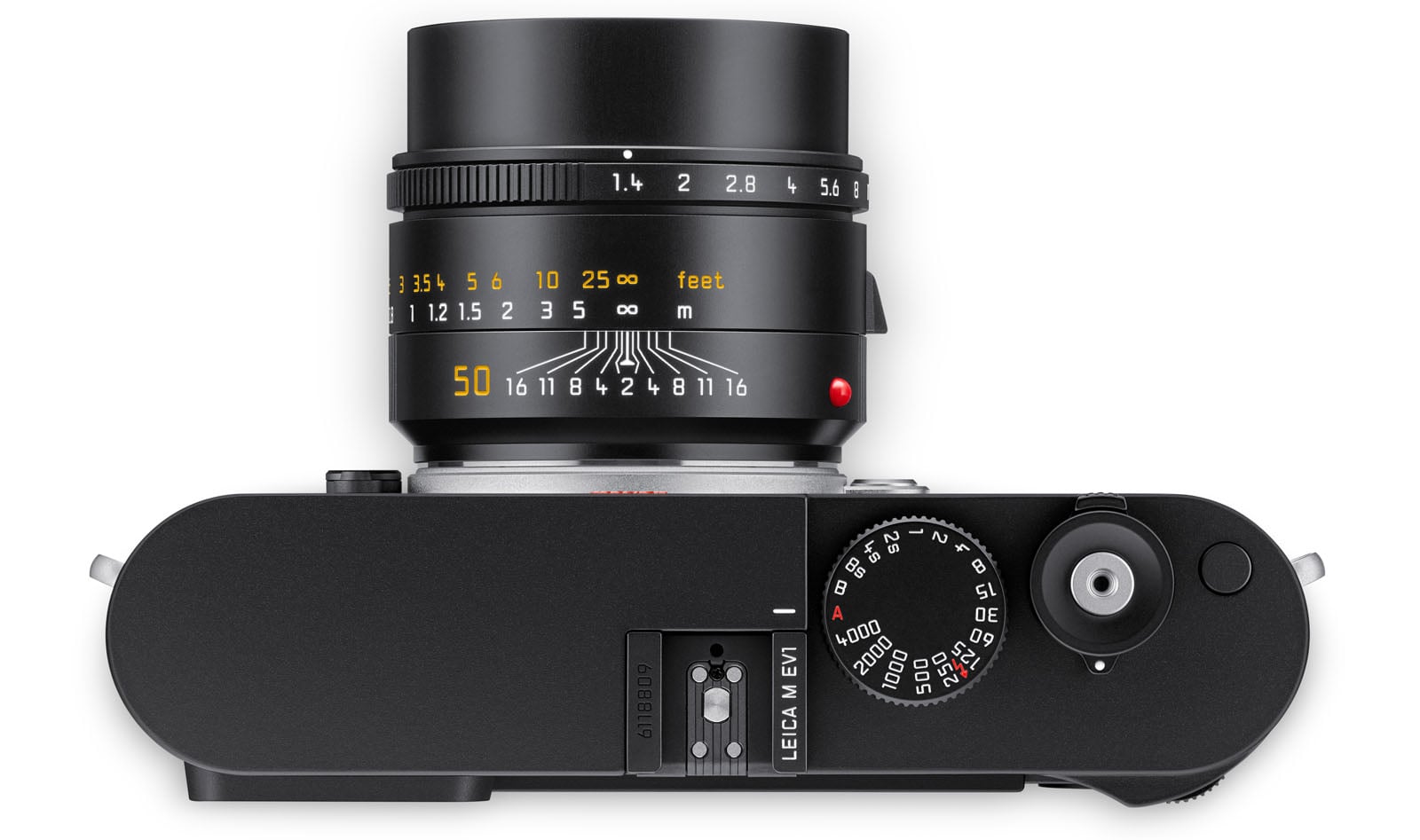
Leica suggests using focus peaking for landscapes, architecture, street photography, and wide-angle portraits. Focus magnification is better suited for portraits, macro photography, still life, and product photography.
Although the Leica M EV1 offers a fundamentally different experience from a digital rangefinder like the M11, there is significant overlap between them. The new camera still features the same 60-megapixel full-frame BSI-CMOS sensor with Triple Resolution Technology, allowing users to swap between 60, 36, or 18-megapixel images.
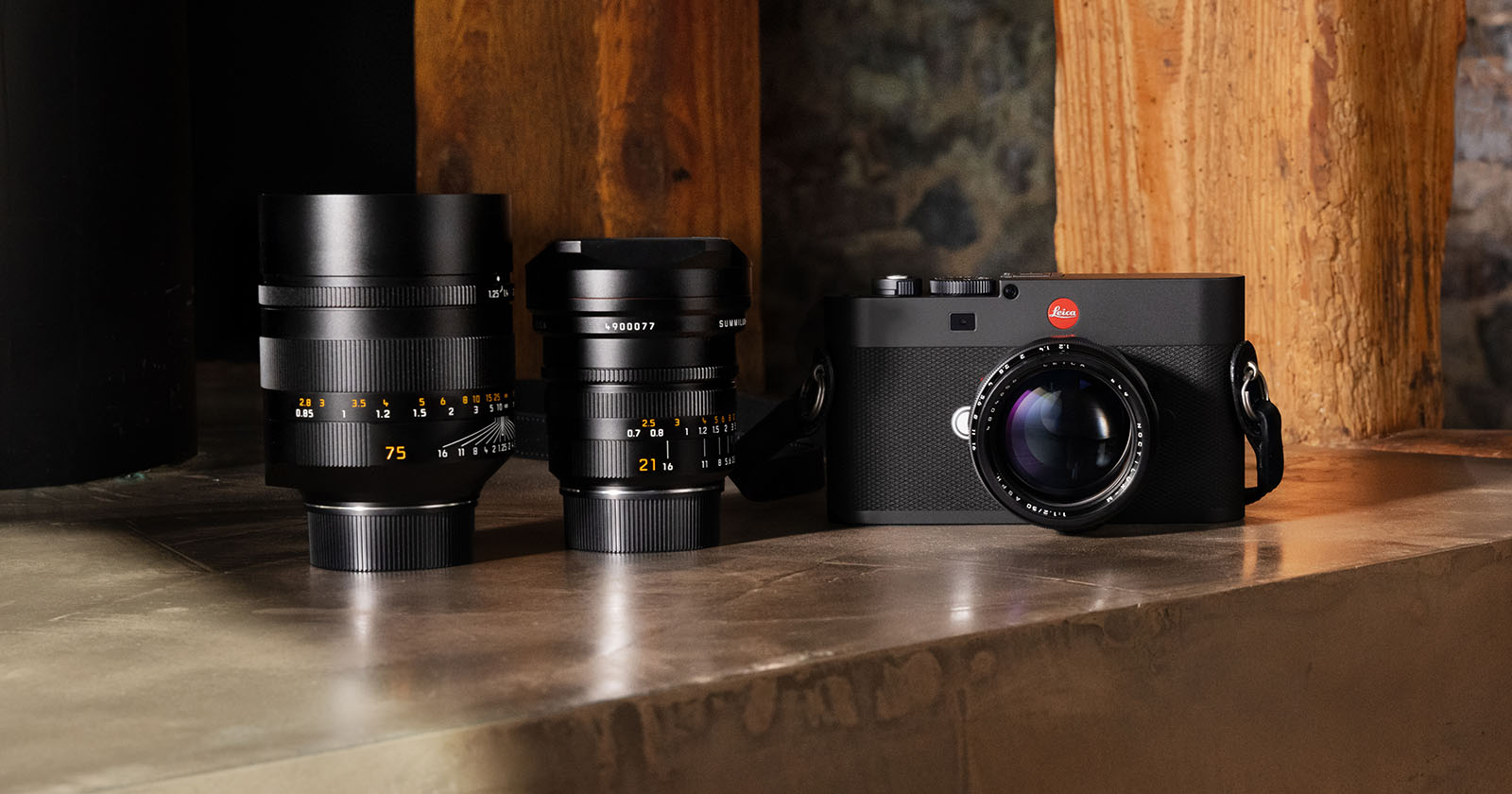
The M EV1 also features a single UHS-II SD card slot, 64GB of internal memory, and Leica’s latest Maestro III image processing chip. The new M EV1 is also handmade in Germany using Leica’s trademark high-quality materials, like the M11 series cameras.

There is one stylistic difference, though. The M EV1 features the diamond-pattern leatherette covering that was most recently seen on the Leica Q3 and Q3 43. Leica says this intentionally sets the new M EV1 apart from its traditional rangefinder M-Camera models. The M EV1 is also nearly 50 grams lighter than the Leica M11-P, which may not sound like a lot, but per PetaPixel‘s hands-on time with the camera, is immediately noticeable.
Further, like the Leica M11-P — and unlike the Leica M11 — the M EV1 includes Content Credentials in-camera. This adds a digital signature to every image, which provides a verifiable chain from capture to delivery.

Pricing and Availability
The Leica M EV1 is available globally now for $8,995 or equivalent pricing in international markets. This is nearly $850 less than the Leica M11-P costs right now.
However, it is worth noting that the Leica M EV1 is not available in the United States at this time pending FCC authorization. This is a temporary delay. PetaPixel will report as soon as availability information arrives for the U.S. market.
Image credits: Leica