There’s No Reason to Believe the Sony a7 V Has a Third-Party Lens Problem
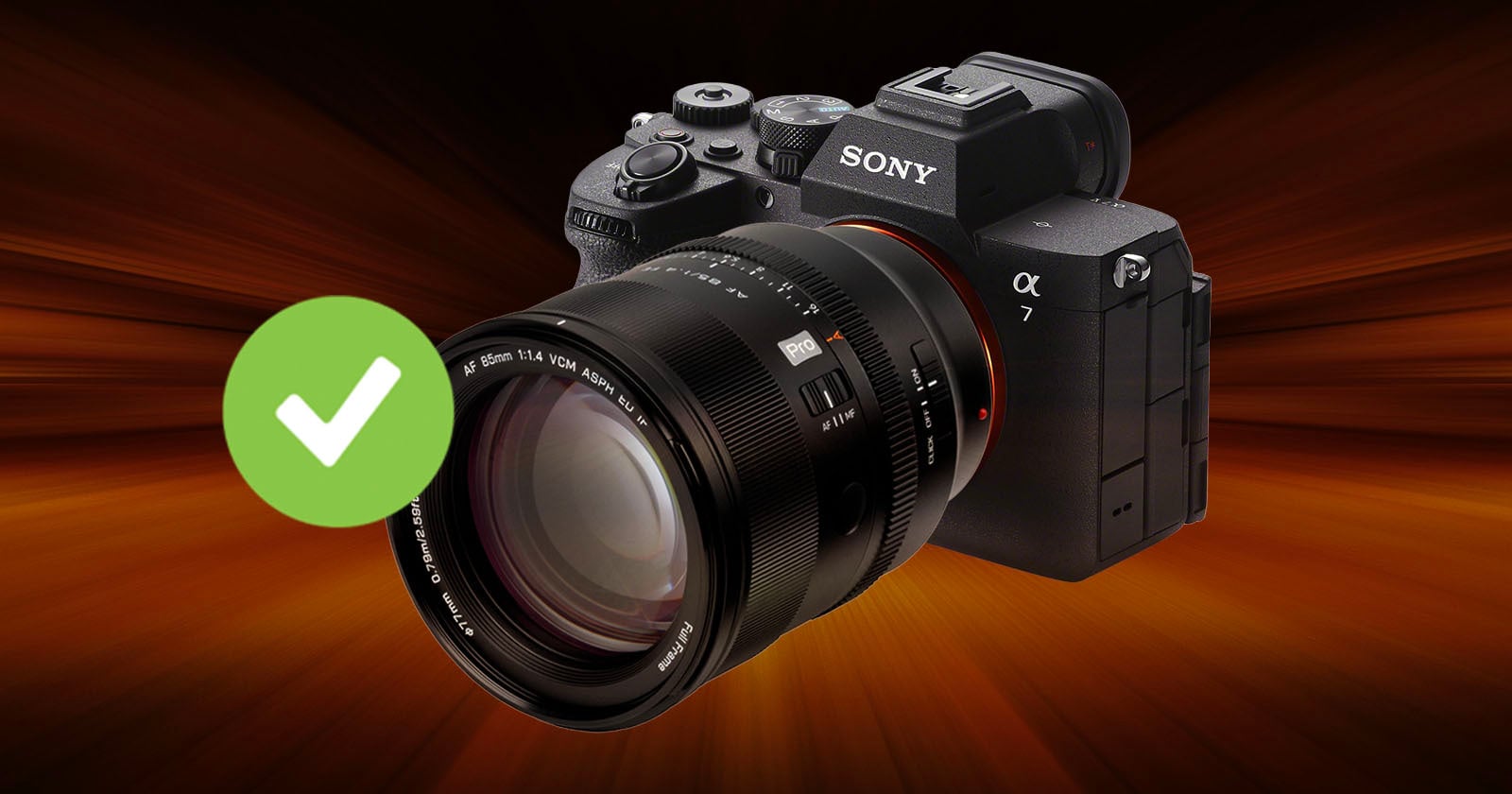
After popular YouTuber Kai Wong reviewed the a7 V last week and mentioned potential issues with third-party lenses, concerns about whether the a7 V is taking a different approach to E-mount’s famous openness spread like wildfire. However, while there is always the chance that certain lenses, particularly third-party ones, may have compatibility issues with new cameras, there is no reason to believe that the Sony a7 V represents any departure from Sony’s longstanding view toward third-party optics.
In the last few minutes of Wong’s a7 V review below, he tests various third-party lenses, primarily Chinese-made ones with autofocus, and runs into issues. In some cases, the camera refused to capture an image altogether.
“All autofocusing Chinese lenses I tried had some kind of problem,” Wong says. “Maybe it’s an early firmware problem, but definitely something to keep an eye on. I mean, I’m not judging. It is entirely up to the brands to decide who they open up their system to but if it’s intentional, some warning wouldn’t go amiss, especially given that some users might be or might have already bought some of these autofocusing lenses from China in E-mount already.”
Combined with this conclusion on the matter and comments earlier in the video suggesting, perhaps jokingly, that Sony was taking a page out of Canon’s book, there is an implication that Sony may have done something different with how the Sony a7 V interacts with the third-party lenses, but there is no reason to believe this to be the case.
Although the Sony a7 V is not available to the public yet, Wong’s experiences with his review unit appear to be an aberration among camera reviewers, albeit an unfortunate one. Others have had significantly better experiences with third-party lenses, including ones from China. In our testing, we ran into no issues with any third-party lenses. Other trusted colleagues have had similar experiences devoid of problems when using third-party lenses.
Let me be clear: I’m not suggesting that Wong is making anything up. The guy’s a pro, and the evidence of the problems he countered is clear to see. However, I do think that even leaving the door open a crack about whether Sony has intentionally changed course with third-party lenses is a mistake. The title of the review itself refers to the topic: “Sony a7 V: Partially-Stacked Speed Demon with a Third-Party Lens Twist.”
There is no twist. There are good reasons why all lenses, first- and third-party alike, have firmware updates, and one of the biggest is to address any potential performance or compatibility issues with new cameras. Cameras and lenses alike are sophisticated
For example, when Nikon released a major new firmware update for the Z8 earlier this year, it caused unforeseen issues with Tamron’s Z-mount lenses. Tamron and Nikon work very closely together, and even still, there were problems. Nikon and Tamron resolved them in short order, but the point is that it’s utterly unsurprising that a new camera, especially one with an all-new imaging pipeline and processor architecture, running pre-production firmware, may run into the occasional issue with third-party lenses, especially ones Sony has no influence over.
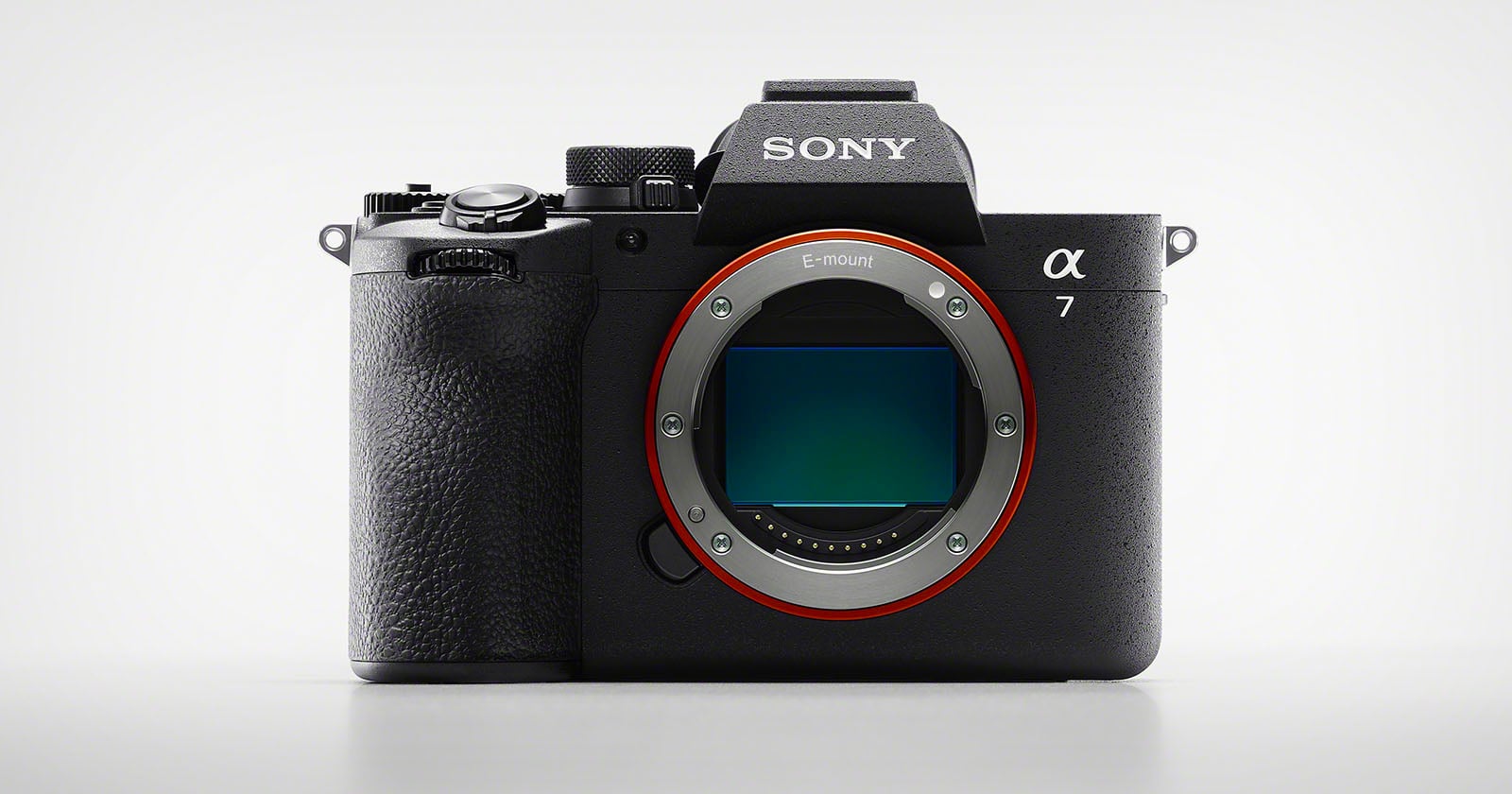
Sony has long made hay of the E-mount’s openness, touting it as one of its biggest advantages. As recently as CP+ in Yokohama earlier this year, Sony told PetaPixel that it believes third-party lenses benefit its users and that the E-mount’s openness is a “strong point” of the Sony Alpha system.
“It pushes us,” Masanori Kishi, Sony’s Senior General Manager of Lens Technology and Systems Business Unit, told PetaPixel earlier this year, referring to the increasing competition from third-party lens manufacturers. “The E-mount has the biggest ecosystem compared to other mounts, making it a mount system that holds greater potential for creators. Our system offers many more opportunities than compared to others, as we are developing it in collaboration with third-party manufacturers.”
That’s not to say that Sony doesn’t limit third-party lenses in some ways — the company has long restricted non-Sony lenses from shooting with continuous autofocus at speeds greater than 15 frames per second on Sony Alpha cameras — but there is no reason to believe that the a7 V introduces any new limitations on third-party optics.
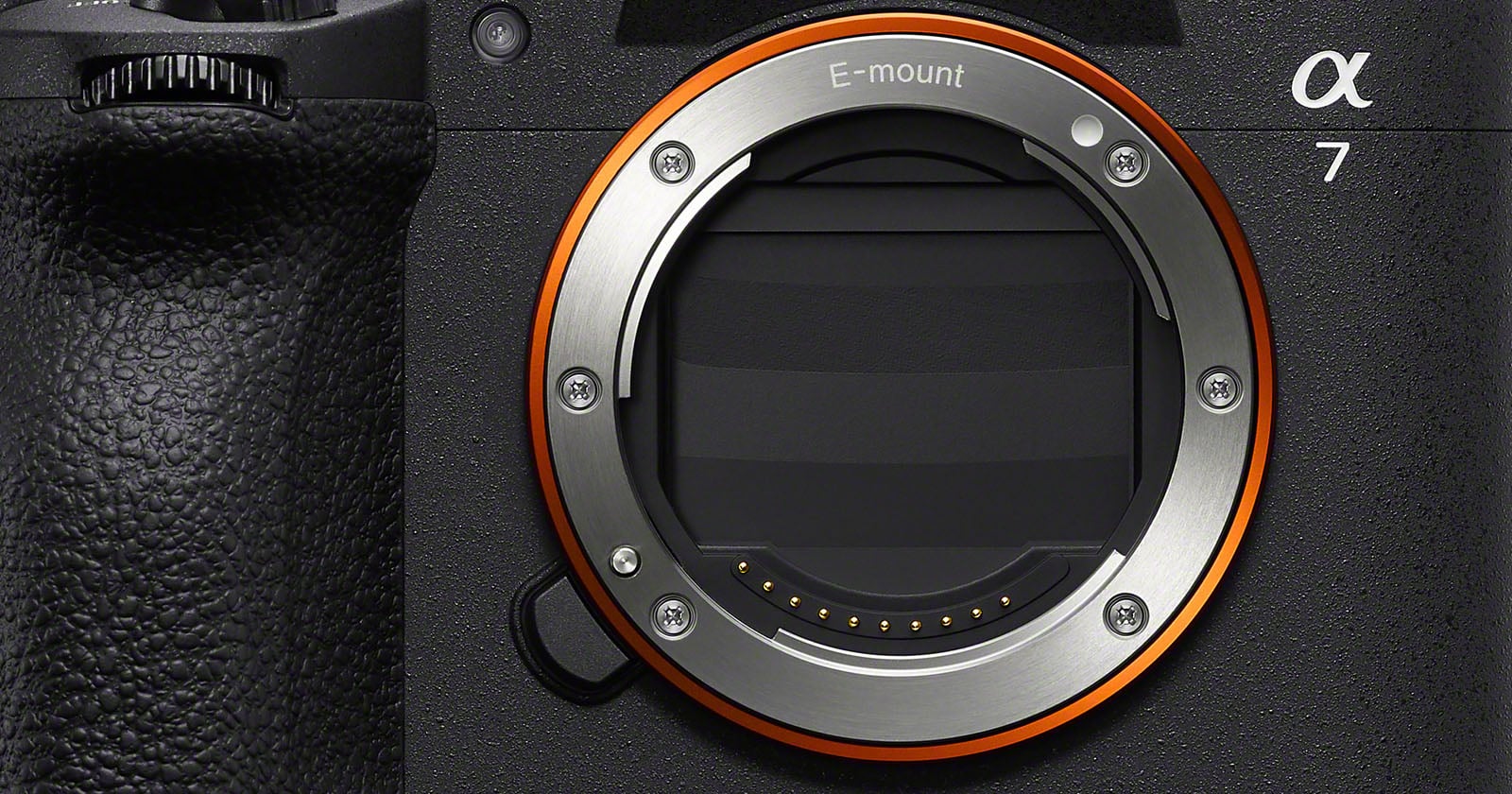
When considering why Wong’s Chinese E-mount lenses didn’t work on the a7 V, there are a few possible explanations, including one that is undoubtedly the most interesting and conspiratorial: Sony has intentionally done something to limit E-mount lenses on the a7 V. It’s absurd, frankly, even if it may prove magnetic to those who enjoy a good old-fashioned controversy.
The explanation that makes by far the most sense though, based on how Sony has always treated third-party E-mount lenses, how the company talks about E-mount’s philosophy, and the fact new cameras from many manufacturers don’t always play nice with every lens straight out of the box, is that Sony hasn’t actually done anything special with the a7 V and lenses and some third-party makers will need to release new firmware for some of their lenses to ensure full compatibility with the Sony a7 V. That is entirely normal, happens regularly, and makes perfect sense, especially in light of the fact the a7 V introduces a brand-new Bionz XR2 image processor, Sony’s first new processor in a long time.
Ultimately, it is the lens makers who will need to resolve this issue. Sony is not responsible for ensuring that every lens under the sun works correctly with all of its cameras at launch, nor has the company ever guaranteed the full operation or compatibility of any non-Sony lens. The E-mount may be open, but third-party lenses don’t come with any stamp of approval or guarantee from Sony. So yes, some lenses may not work with the a7 V at launch, but for regular, boring and resolvable reasons.
PetaPixel asked Sony about the a7 V and third-party lenses. A Sony representative tells PetaPixel:
“Please contact each lens manufacturer for details regarding the performance of third party lenses.”
It’s not the demonstrative statement some may have hoped for given the level of concern some photographers have, but it alludes to how any lens compatibility issues can be resolved. Photographers with third-party lenses that do not work with the a7 V or any other Sony camera must discuss it with the maker of the lens and hope that they will quickly release a lens firmware update. Fortunately, many of the lenses coming out of China these days have USB-C ports built directly into the mount, making them very easy to update.
With statements from Japanese companies like Sony, it is also instructive to consider what isn’t said. The inference here is that there is nothing unique about the Sony a7 V’s treatment of third-party lenses, so if they don’t work as expected, talk to the company that made the lens.