This Is How Much Dynamic Range the Sony a7 V Loses When Using Electronic Shutter
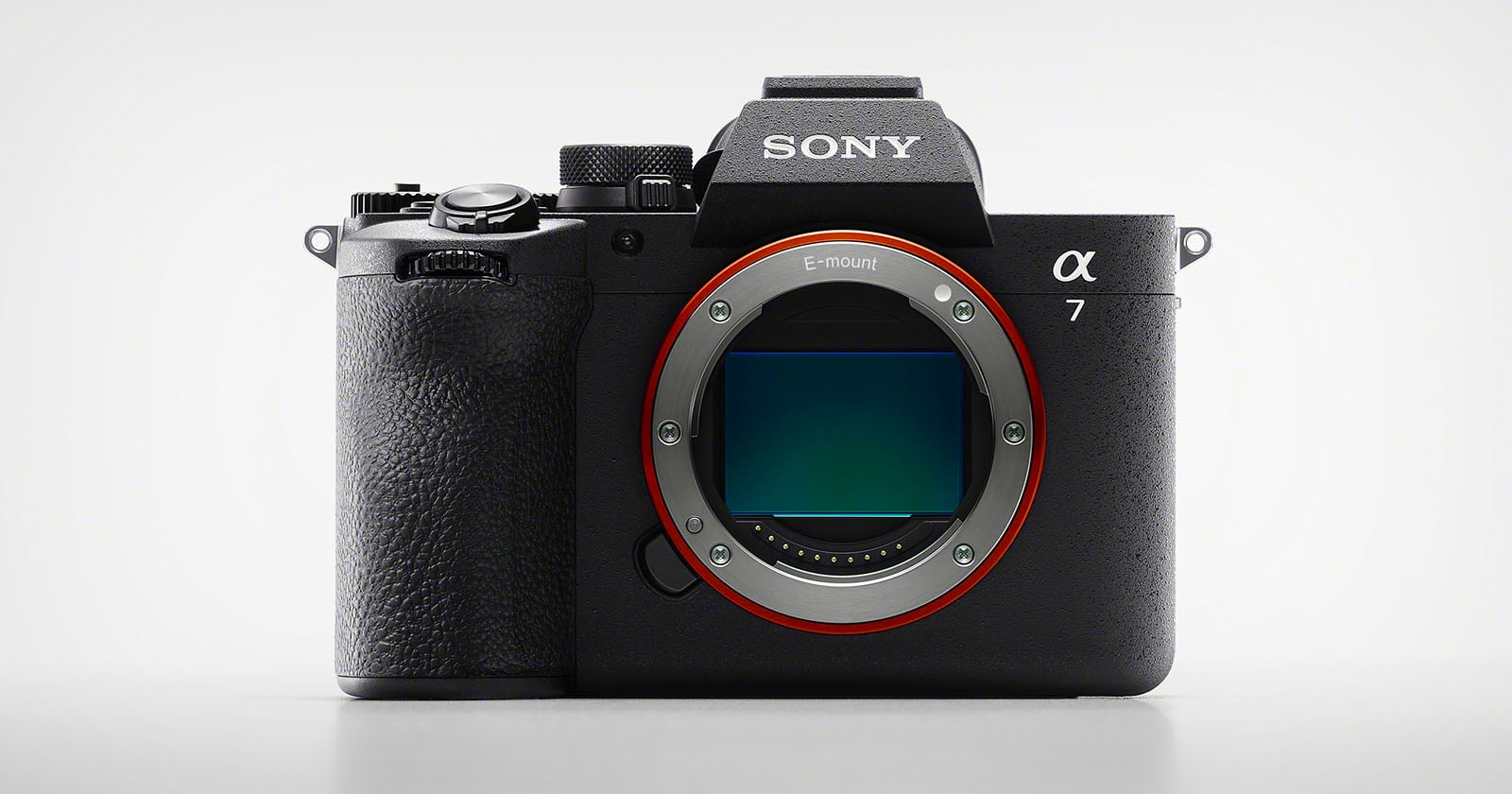
Just one day after publishing his dynamic range tests for the Sony a7 V using its mechanical shutter, show exceptional dynamic range performance that rivals medium-format cameras — William “Bill” Claff of Photons to Photos is back with a7 V electronic shutter testing. The story the results show is an interesting, albeit predictable one.
Update 12/12: Bill Claff at Photons to Photos has revised his Sony a7 V dynamic range results, now determining that the camera is not utilizing baked-in noise reduction but instead achieves its excellent dynamic range thanks to Dual Gain Output. This story has been tweaked accordingly.
As has consistently been the case, the a7 V does incur a dynamic range penalty when using its electronic shutter. It’s actually a fairly prominent one, with maximum dynamic range at base ISO dropping from an exceptional 12.45 PDR with the mechanical shutter to 10.99 PDR with the electronic one. Part of what makes this dynamic range hit so large on paper is that the dynamic range with the mechanical shutter is so good.

It is also worth noting that, in our testing with real-world shots, the a7 V’s electronic shutter proved excellent for dynamic range and overall image quality, even though it offers less dynamic range.
“We definitely notice a difference in image quality when looking at photos taken with the mechanical shutter versus the electronic shutter. If you need the faster burst speeds, by all means, use the electronic shutter. However, there is a distinct improvement in shadow detail and clarity when using the mechanical shutter instead,” Chris Niccolls wrote in PetaPixel‘s Sony a7 V Review.
As it is a brand-new sensor and Sony has been tight-lipped about precisely how it works, but these results at least lend some credence to the notion that Sony might be combining data from multiple ISO speeds when using the mechanical shutter. In the case of the Lumix S1 II’s Dual Gain Output (DGO) implementation, it only worked when using the camera’s mechanical shutter, meaning that the camera’s electronic shutter did not benefit from DGO’s improved dynamic range. It appears Sony is utilizing similar technology with the a7 V, so it makes sense that dynamic range when using the mechanical shutter is significantly higher than the electronic shutter, especially relative to the performance of cameras not using DGO.
Here’s what isn’t speculation, though: the Sony a7 V’s best dynamic range performance is at base ISO when using the mechanical shutter. Superior dynamic range with the mechanical shutter holds through ISO 1000, at which point the two shutters equalize. This means that photographers who want to get the best possible image quality should use the Sony a7 V at base (or low) ISO with the mechanical shutter.


But that does not mean that the electronic shutter is bad. Getting a great shot requires much more than just dynamic range. The a7 V’s results with the electronic shutter are fine and still better than a fantastic camera like the Canon EOS R5 Mark II when it uses its electronic shutter. The a7 V’s electronic shutter dynamic range when using its electronic shutter is still better than the Z6 III’s dynamic range, period. When photographers require the a7 V’s fastest shooting speed, which necessitates the use of the electronic shutter, they should do so with confidence. When the situation allows the user to slow down, the mechanical shutter is the way to go.

As PetaPixel has written before in the context of the Z6 III and likely will again concerning a different camera, dynamic range is not the end-all, be-all of image quality. It’s great when a camera has incredible dynamic range, but cameras with much worse dynamic range than the a7 V, regardless of their shutter, have been used to capture plenty of fantastic photos over the years.

For photographers who prioritize image quality in ideal scenarios above all else, dynamic range may matter a lot. For everyone else, it’s one piece of a much larger puzzle. What is immediately evident about the Sony a7 V is that it can deliver excellent image quality and speed across the board, though precisely how good and how fast will depend on the situation.
Image credits: Sony. Charts by William J. Claff of Photons to Photos.