Embrace Unusual Conditions for Compelling Photographs
Golden Hour
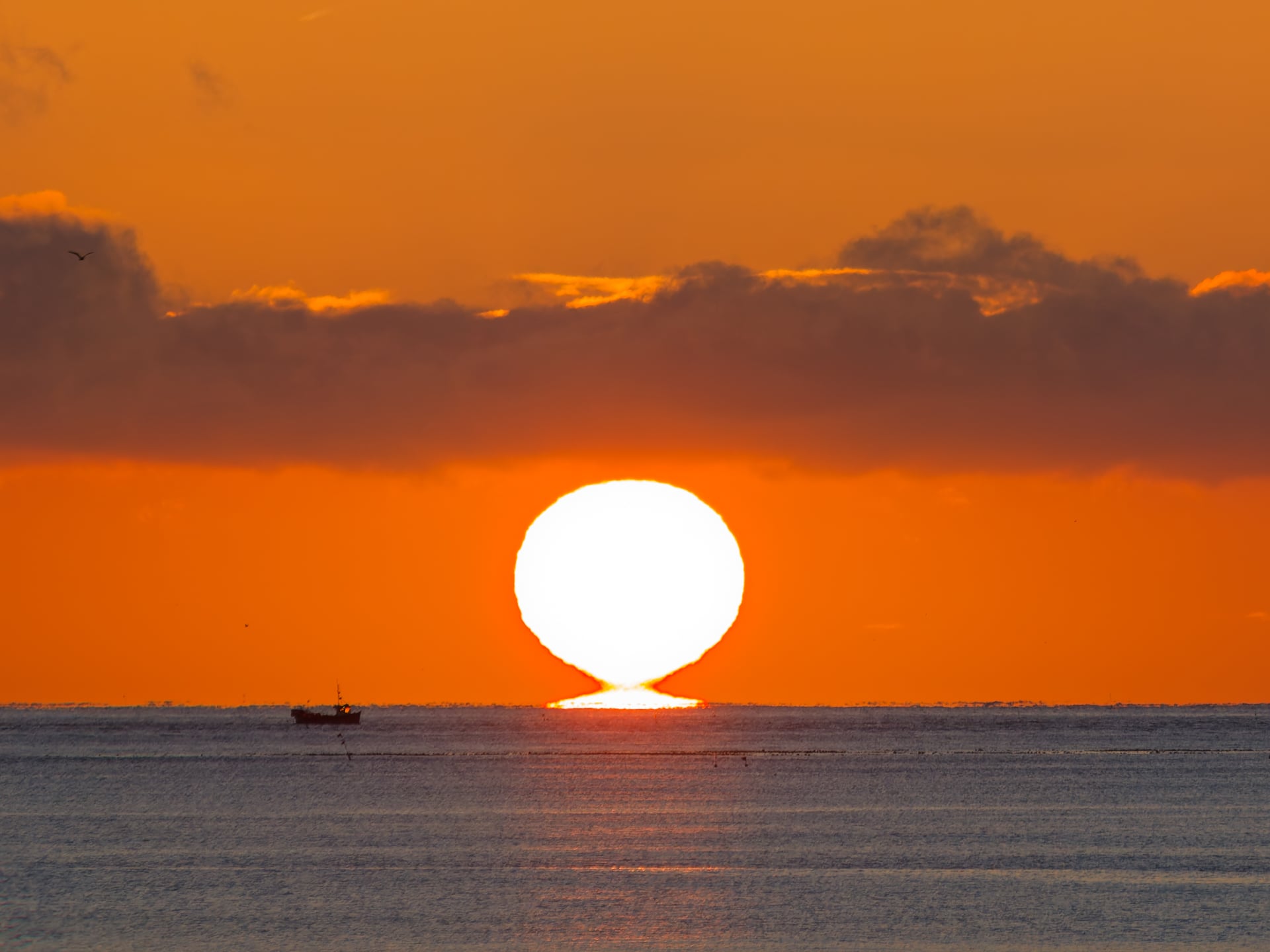
For wildlife and landscape photography, the golden hour, especially in the morning, is the time to be out with your camera. Not only will you get better photos, but it will also be good for my soul.
Heading out in the golden hour at sunrise or sunset not only bathes the environment in a beautiful, warm glow but also casts low-angled light. That produces long, strong shadows, adding depth to the scene.
I live on the East Coast, so the golden hour for me usually means getting up at dawn and photographing the sea. Where I live is approximately 55.33° North. We have relatively short days here in the winter. Therefore, the “hour” part of that name is a misnomer at the time of year I am writing this. If it’s not shrouded in cloud, like today, the sun doesn’t rise that high above the horizon in mid-winter, and so the golden hour becomes a golden day.
It’s worth making the effort at this time of day because many others don’t.
Hazards:
In the summertime, the golden hour can happen when most people are still in bed. Consequently, like with some of the following situations, you can be photographing alone.
Most people face unique risks where they live. Here, the tide rushes in on the slippery, rocky beaches. Also, at many points along the coast, there is no phone signal. So the personal risks are apparent.
In the Blue of Evening
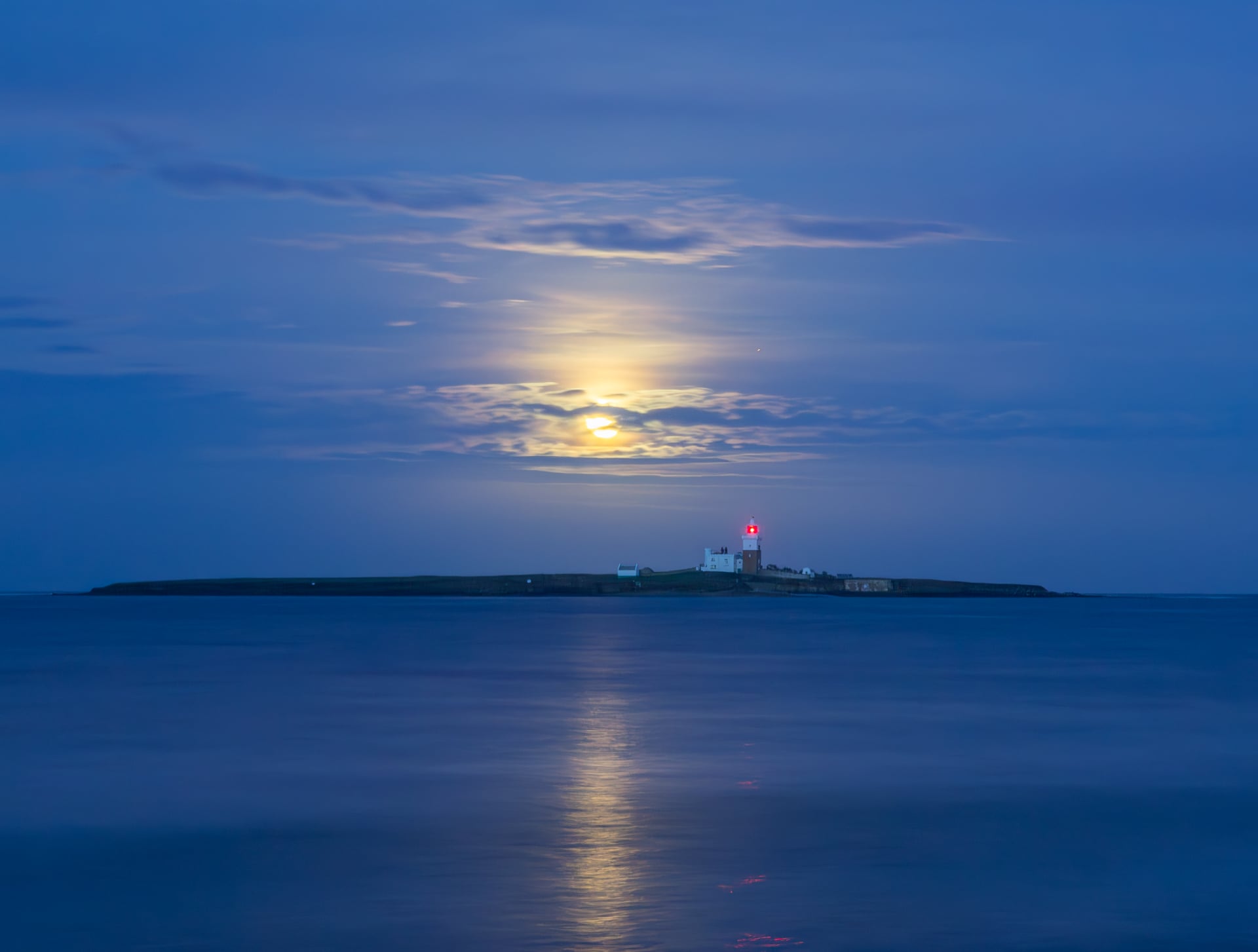
When I plan to go out during the golden hour, I inevitably end up taking photos during the blue hour too. That occurs before sunrise and after sunset. It provides a diffused, gentle light that eliminates harsh shadows. As the light is indirect and even, it is easier to capture detail without the extreme contrasts that you can get in daylight. Consequently, the risk of blown highlights is reduced, too.
At this time of day, the sky and bodies of water have rich, atmospheric blues. Those are sometimes mixed with purples, pinks, and oranges from the already-set sun. That creates a dreamy, ethereal mood that’s hard to replicate during daylight.
The blue hour also blends the cool blue twilight and the complementary orangey-yellow warm lights from houses. It’s also ideal for extended exposures, without the need for an ND filter. Consequently, it can produce optical effects such as silky-smooth water, light trails, and motion blur.
Again, it is poorly named, as it can last as little as 15 minutes or as long as several hours, depending on the time of year and your longitude.
Hazards
The same personal hazard applies as when shooting in the golden hour, but the risks are increased because of the dark.
After the sun goes down, dew can form on the camera. A non-weather-sealed camera can succumb to that.
Nighttime is the Right Time
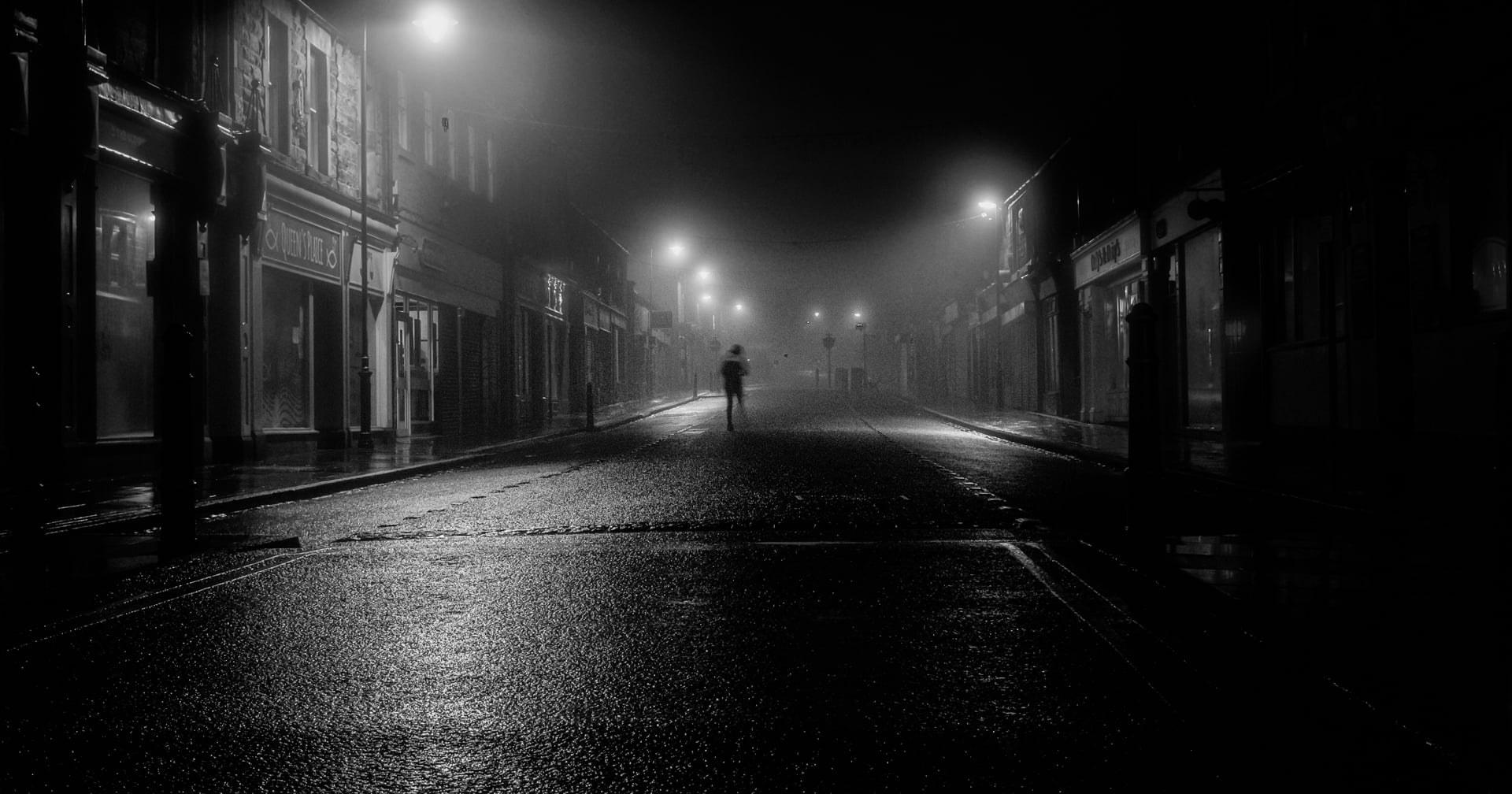
Shooting at night is another way to capture unusual photos. Star trails and photos of the Milky Way are usually stunning, but nighttime street photography, architectural photography, and flash portraits are interesting variations on what would otherwise be mundane shots during the day. Like the blue hour, nighttime allows longer exposures, and some photos can only be captured then.
Although not as many as in 2024, we are still getting auroras. Furthermore, the moon and meteor showers can add to a photo’s appeal.
Hazards
Do consider personal safety when shooting at night. Where I live, the crime rate is very low compared to many places. Nevertheless, I do take precautions, such as photographing with others.
When the Rain Comes
The Beatles sang that when the rain comes, they run and hide their heads. For photographers, that is not least because their cameras lack effective weather sealing. However, those dull, drizzly days I mentioned at the start can work for moody, low-light photography.
If your camera is up to it, photographing in the rain can bring some interesting results. Towering cumulonimbus thunderheads, rainbows, and flashes of lightning can all add drama to a photo.
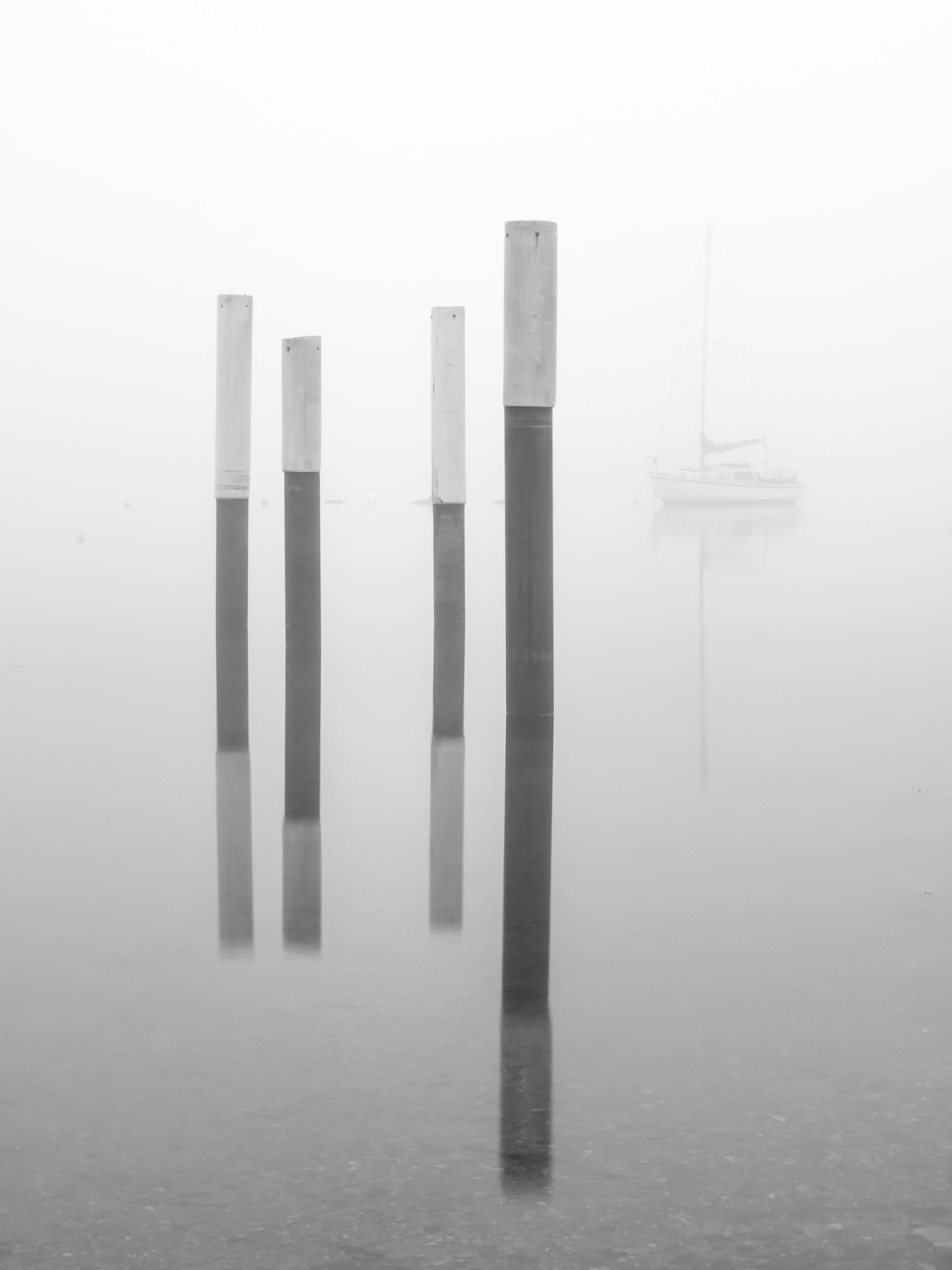
Fog is also a form of precipitation and can yield low-contrast, moody and minimalist photos.
Hazards

Besides mitigating the risk of being struck by lightning and getting lost in the fog, one must consider the camera’s ability to withstand wet conditions.
How confident are you with your camera’s ability to prevent water ingress? I’ve accidentally dropped mine in a river. It happened when the tripod fell over as I was knee-deep in the water, photographing a waterfall. I picked it up, dried it off, and continued shooting. It has also been drenched in thunderstorms, frozen, and used on a sandy beach in gale-force winds. Meanwhile, a friend’s supposedly weather-sealed camera died after he got a little snow on it. Not all cameras are equal when it comes to withstanding the elements.
Mad dogs and Englishmen Go Out in the Midday Sun.

Midday is not generally considered the best time for photography. The harsh, overhead light isn’t all that appealing. Nevertheless, photographing in forests on a bright summer’s day, where the light is broken by the canopy of leaves, can look great.
Of course, we are occasionally limited by time. For the photo above, I only had access to the island during the middle of the day. Moreover, razorbills are migratory, so it could only be a summertime photo. So, I had to make the best of the opportunity available to me.
Sometimes you may want to emphasise brightness and heat. Back in the 1990s, I was on a leadership team that took over 30 young people to Namibia. Recording that event required shooting throughout the day, and the record clearly shows the sweltering conditions we were working in. Other photos

Hazards
Here in the UK, heading into the mountains with a camera is a popular pastime. Surprisingly, the number of people falling ill from heat stroke and dehydration is greater than that of those suffering from hypothermia.
Repeated exposure to intense sunlight can also lead to skin cancer. The Australians have a famous sun safety slogan: Slip, Slop, Slap. Slip on a shirt to cover as much skin as possible, slop on sunscreen, and slap on a wide-brimmed hat to protect your face, neck, and ears. Over time, it has expanded to “Slip, Slop, Slap, Seek, Slide,” advising you to seek shade and slide on sunglasses. That is all good advice for photographing on a sunny day.
There are hazards for your camera gear, too. I took my SLR on that Namibian expedition. Meanwhile, most people had 35mm compact cameras. Every one of those compacts died because the constant windblown dust got into the motorised zooms and film winding mechanisms. One of the compact cameras also oozed lubricant because it overheated.
It’s not just the dry and dusty semi-desert of Africa where airborne dust can destroy a camera. Head to the beach at night, shine a torch, and you will notice that the air is filled with tiny particles of salt, water, and sand. These are camera killers. Years ago, they ruined a bridge camera of mine. Those flying destroyers clogged up the zoom lens so it would not retract.
These days, my cameras and lenses have IP53 water- and dust-resistance. Nevertheless, I never change a lens on the beach; I would rather take two cameras with me than risk exposing the internal workings to the elements.
Baby, It’s Cold Outside

Heavy frost adds a twinkling magic to a photo, while snow and ice help minimise the scene, covering up unwanted distractions.
In January 2024, I spent a fortnight in Finland testing a then-unreleased camera and lens for a company. The gear was rated for use down to -10°C (14°F). However, I used it regularly in -20°C (-4°F) and below. It coped perfectly well. One day, I was shooting at -30°C (-22°F), and the camera and lens had been in the trunk of the car.
When I first took it out, the aperture blades were stuck open. I presume the lubricant had frozen. However, it was soon working again. I guess the electronics’ heat warmed it up and unfroze the blades.
Hazards:
Apart from the personal risks of getting too cold and slipping on ice, cameras can also be damaged. A significant risk comes from moving the camera from the cold, dry air to the warm, humid environment of a house. That sudden change in temperature can cause water to condense both on and in the camera. After you head outside, find a sheltered spot and remove the lens slightly for a few moments to let the trapped damp air escape. Afterwards, before you head indoors, seal your camera inside a plastic bag. The humid air from inside the house will not then condense on the camera. Give it an hour or more before removing it.
In addition, ice can form on a lens. In which case, a lens warming collar is a boon.
