How To Embrace Photographic Creativity: A Lesson from Art History and The Beatles
Digital photography is at a disadvantage when it comes to creativity, I argue; at least when compared to painting, drawing, sculpture, or music. However, there are lessons from history you can apply to overcome the hindrances we face and learn ways to help us grow creatively.
Who Do You Like Best?
Who is the better artist, Picasso or Dali? Can you compare Caravaggio’s skills to Gainsborough’s? When it comes to opera, would you choose Puccini, Verdi, or Wagner? Who is the best guitarist, Carlos Santana, Eric Clapton, or Chet Atkins? Who would you choose as the best songwriter out of Carole King, Paul Simon, Joni Mitchel, Hank Williams, Joan Baez, Bob Dylan, or James Taylor? Do you prefer The Beatles or the Rolling Stones? Who is the better author, J.K. Rowling or Stephen King? Could you choose between Drake and Doja Cat?
Of course, there is no definitive answer to any of those questions. People express their opinions, but most realise that their choices are subjective. Others may prefer a different artist’s style, and that’s okay. The great thing is the diversity.
The Psychological Problem with Digital Photography
Yet, in digital photography, there is ongoing resistance to diversification. Photographers are pushed to produce photos that comply with a fixed set of composition, focusing, and exposure rules. Consequently, many photographs are much of a muchness. What is often overlooked is that the Rule of Thirds, the Golden Ratio, how much of the subject is sharp, over- or under-exposing, the amount of negative space, and so on, are artificial constructs. Yet those rules have become so established that we are compelled to comply.
That is due to the Mere Exposure Effect. Also called the familiarity principle, it suggests that repeated exposure to a stimulus tends to increase our liking for it, even if we don’t consciously recognise the prior encounters. Therefore, if we see photos with familiar attributes, we are more likely to find them appealing. But when it comes to originality and creativity, that is problematic. The internet urges us to produce photos that people will find easy to like, in every sense of that word. Therefore, we are pressured to repeat what others have done before.
That Problem is Exacerbated by Competition
More than in any other art, photography is judged in competitions. Yes, there are competitive events in performing arts, including TV programs such as America’s Got Talent, The Voice, and Dancing with the Stars. Nevertheless, most artists in other fields develop and grow through playful experimentation, encouragement, and collaboration, not through competitions.
However, in the world of digital photography, most photographic clubs hold competitions. They appoint judges who apply their technical know-how and preferences to the photos they are presented with, then decide which is the best. The argument in favor of that approach is that it drives the photographer to improve their skills. But can you see the problem? Photographs are usually judged on a universally accepted, rigid set of technical and compositional criteria. Because of the Mere Exposure Effect, many judges fail to accept diversity from norms. They don’t appreciate that their judgments are subjective and influenced by what they have seen previously and, consequently, come to like.
Photographers try to please the judge. Photography, therefore, becomes a sausage machine, with everyone producing similar-looking photos that conform to the usual standards. Competitions leave little room for playful experimentation and diversification, the backbones of creativity.

The Additional Issue with Judging
There are more than a few judges who use their positions as power trips. I have met photographers, including children, whose confidence and enthusiasm have been destroyed by judges who lack empathy or the ability to show kindness when critiquing photos. The purpose of critiquing is to provide a constructive and balanced evaluation. It should find both strengths and weaknesses. However, a common approach is to focus on faults and shortcomings, in other words, to criticize.
Related to that, there is an army of laptop critics online. Although there is greater awareness of it now, some people pay heed to the ill-informed opinions of often anonymous commenters that decry other photographers’ work. Study the sometimes-vicious and ill-informed comments under photos and articles on online photography forums and communities to see how intent some are on holding others back. I have not yet come across a single such person who has an ounce of talent, so they can be safely ignored.
How Can We Grow Creatively?
Of course, there are creative photographers producing stunningly original work. But there could be many more if they were not held back. So, if not through competition, how else can more photographers grow creatively? Fortunately, there is a different approach. For that, one must understand the nature of creativity.
There is a misconception that creativity is coming up with a completely new idea. That is not the case. Instead, it is finding new and unique ways to blend existing ideas into something original. That can, of course, also include rejecting the Mere Exposure Effect, shunning current trends and going in a new or opposite direction.
It happens in other art forms. One of the best examples of blending previous trends can be seen in music. Growing from the traditional music brought to America through the transatlantic slave trade, new genres such as spirituals, work songs, and folk blues emerged, expressing hope, resistance, and community. That evolved into blues, jazz, R&B, and then rock ‘n’ roll.
Rock music crossed over the Atlantic to Britain, where, predominantly, The Beatles blended it with other diverse styles from history, including classical, Tin Pan Alley, Americana, and Asian music. They also introduced revolutionary experimental techniques into their work. Their styles greatly influenced many acts that followed in the 1960s and ‘70s. Then, punk rock hit the scene and rejected everything that came before. Later, music evolved further, and contemporary artists like Machine Gun Kelly, Yungblud, and Kenny Hoopla produce pop music that draws on elements traceable to punk rock, The Beatles, and thus back to older musical roots.
The Evolution and Revolution of Visual Art
That evolutionary and revolutionary process happens in all arts. For example, the Renaissance gave rise to the Baroque art movement. That, in turn, led to Rococo, which was rejected by Neoclassicism. Then, that movement influenced Romanticism. Romanticism paved the way for Impressionism, which was expanded by Post-Impressionism into Modernism, including Cubism, Surrealism, and Abstract Expressionism. In turn, they rejected the tradition of academic art that ultimately led to the Postmodernist styles of today.
There’s no fixed timescale for those movements. However, art movements seem to last for shorter periods as time passes. The Renaissance lasted 200 years, and the Baroque period 125. Since then, new movements have stayed for a few decades. Cubism and Abstract Expressionism lasted barely 20 years, possibly because of high-speed communication and mass media.
Now, we are in the age of Hybrid, Post-Digital Contemporary, and Techno-Activist Art movements.
The Growth of Photographic Art
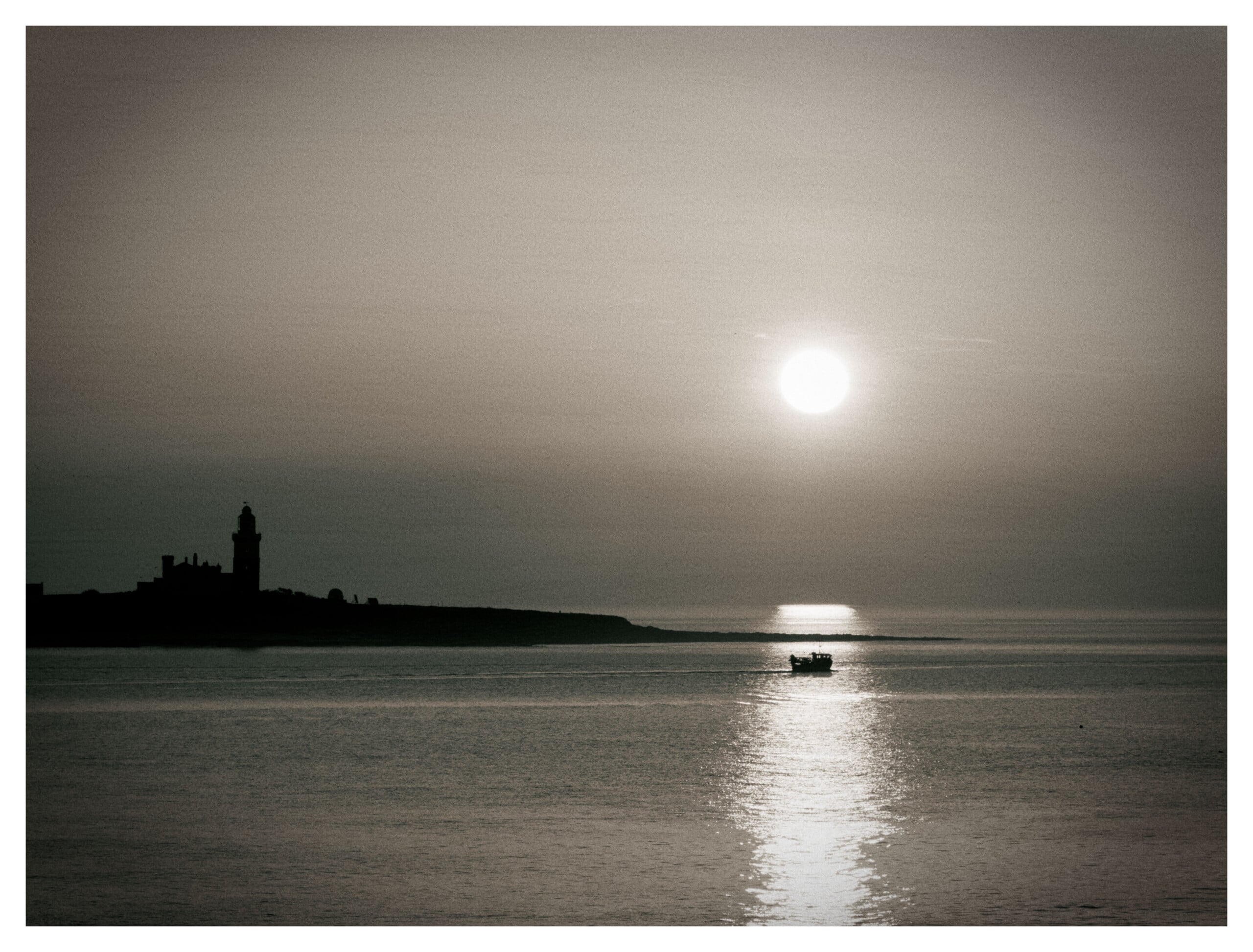
Those art movements have influenced photography. Therefore, it has undergone some evolution. Pictorialism elevated photography to the status of fine art by imitating painting and drawing through techniques such as soft focus and creative darkroom processes. Then Modernist and Straight Photography embraced clarity and realism, rejecting manipulation. Photographers such as Man Ray and Henri Cartier-Bresson were influenced by the surrealist movements. Then came the Documentary and Humanist photographers, such as Dorothea Lange and, again, Cartier-Bresson. Meanwhile, Group f/64 (e.g., Ansel Adams and others) promoted unmanipulated photography.
Those all influenced Street Photography (Garry Winogrand, Vivian Maier, etc.), and the Pictures Generation (such as Cindy Sherman and Richard Prince). Mixed into those were the Abstract, Commercial Fashion, and Photojournalism, each with its own style and prescriptive requirements.
But when I pluck any of the photography books off my shelf from the last quarter of a century, since digital photography came of age, it’s hard to detect any significant style change. Although the clothing in fashion photographs has changed, many photographers still emulate David Bailey’s style. Landscape photographers emulate Ansel Adams, and you would be hard pushed to identify who took wildlife photographs.
There is Nothing Wrong With Following the Crowd
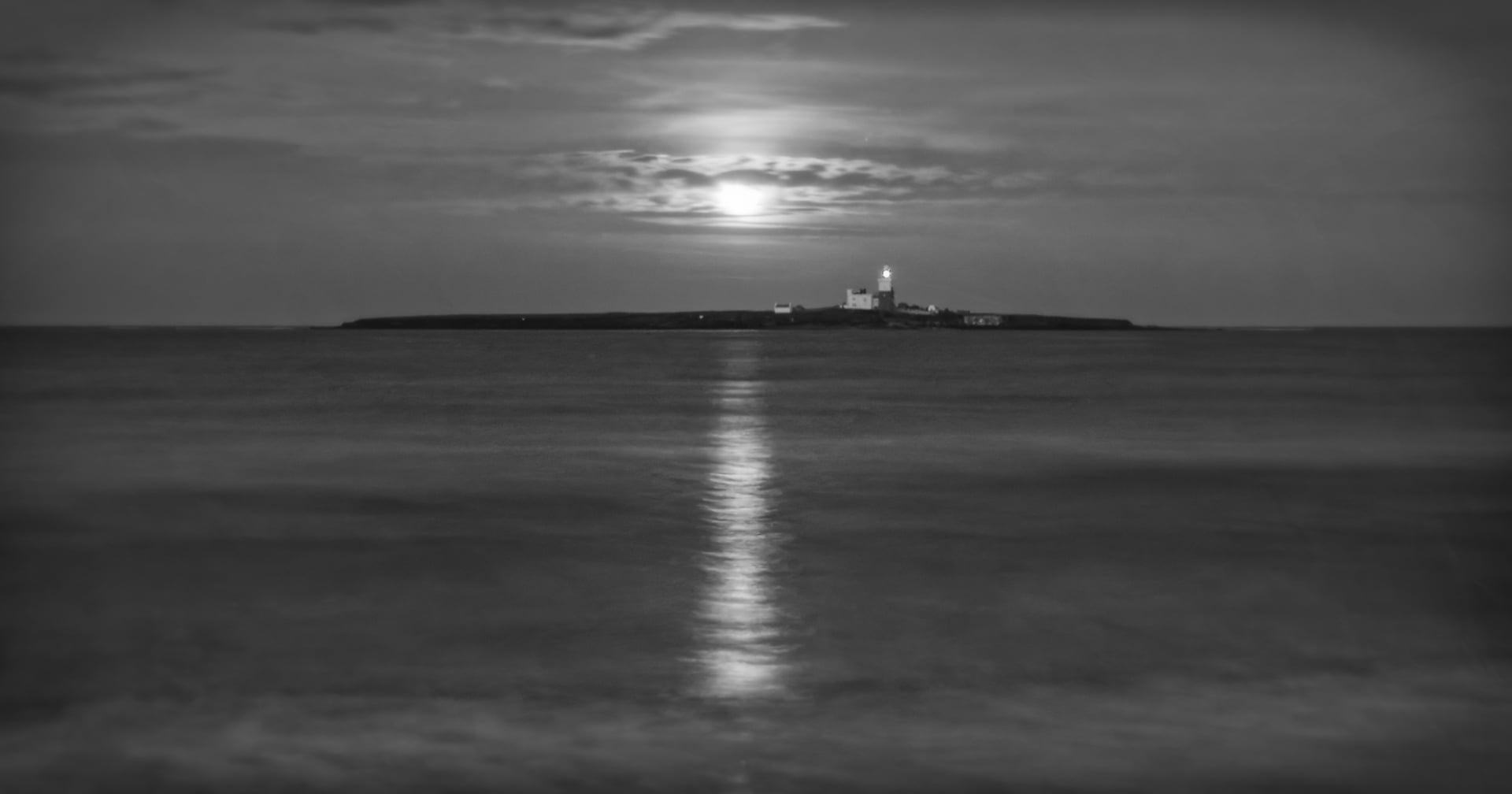
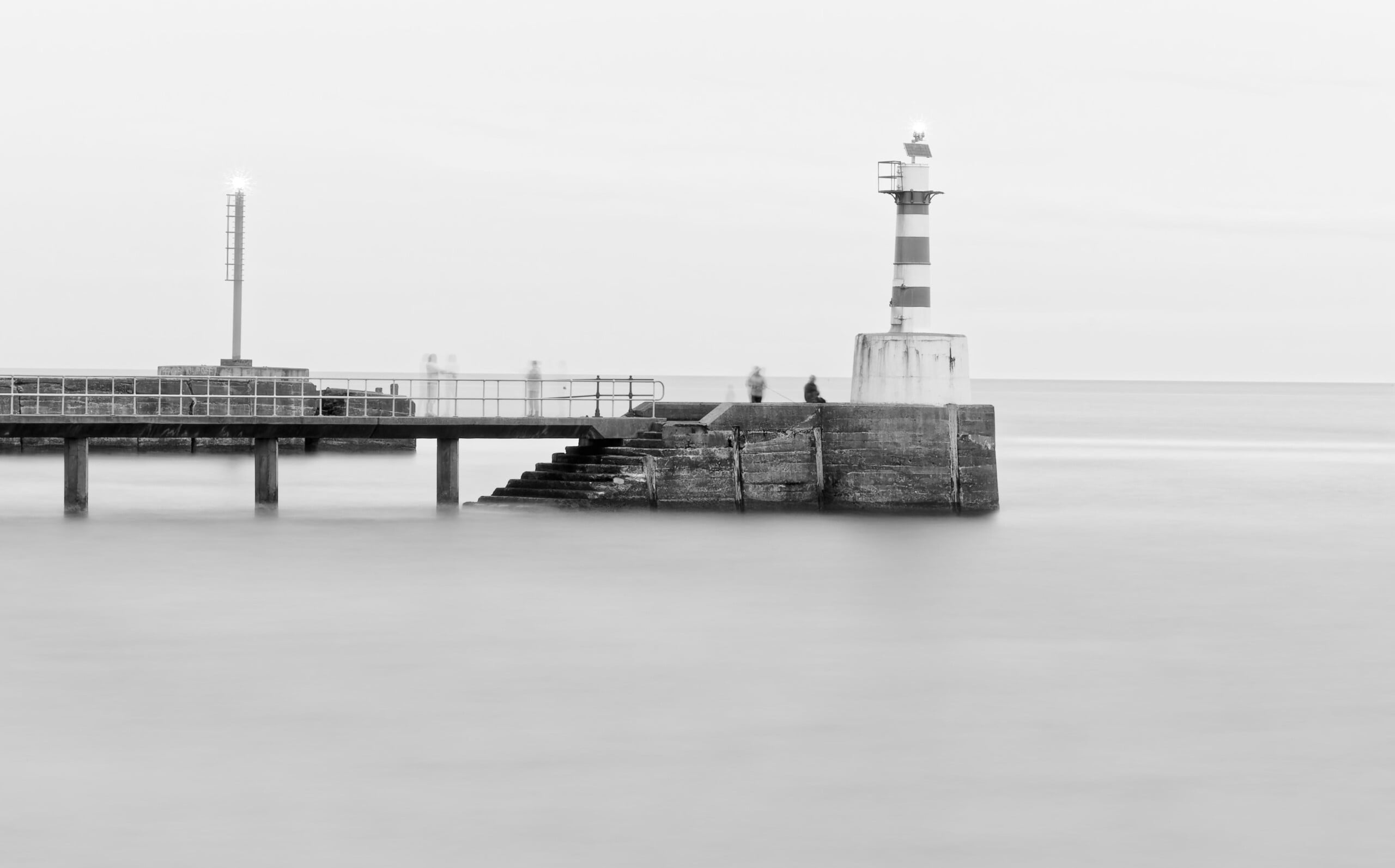
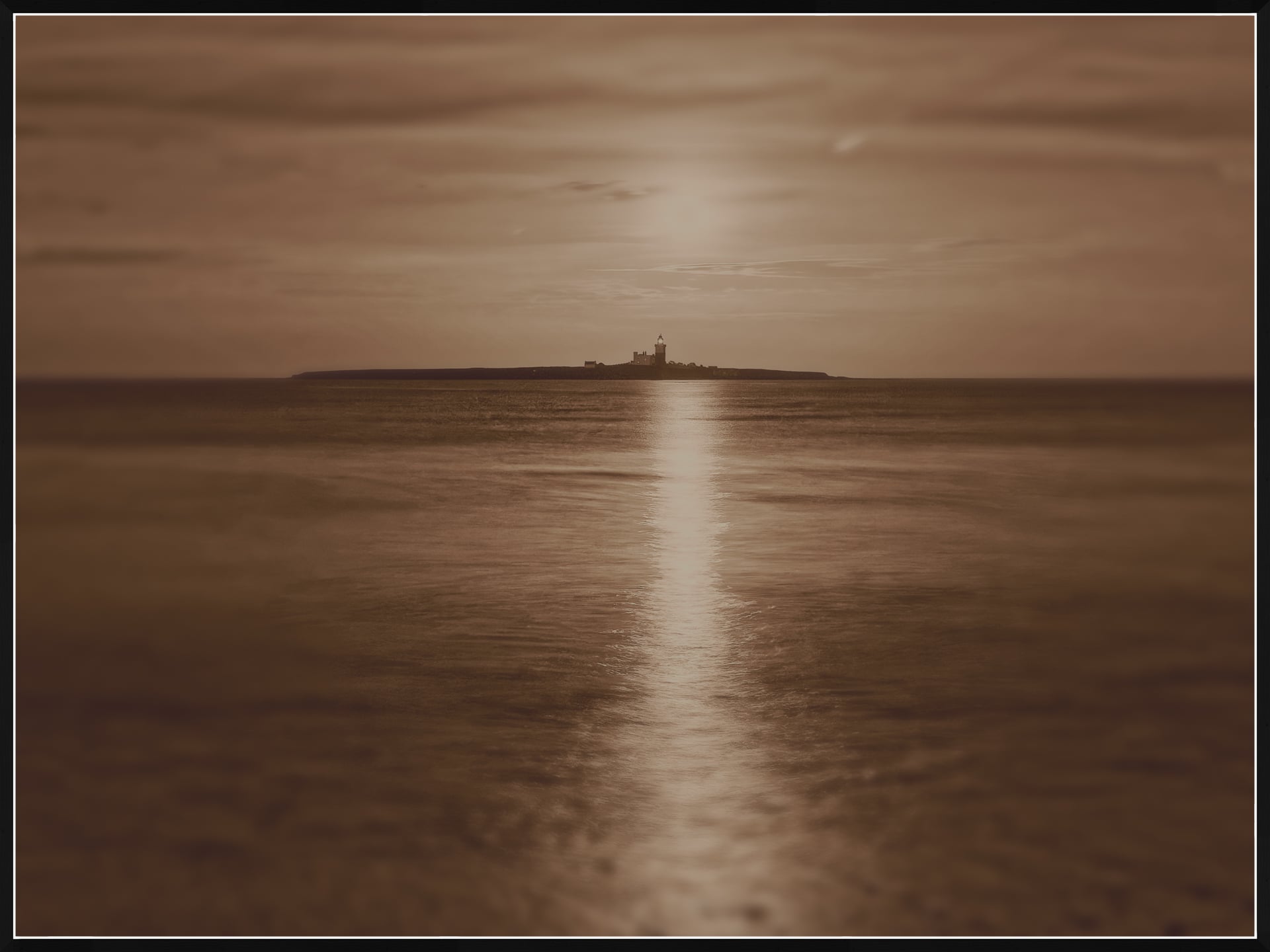
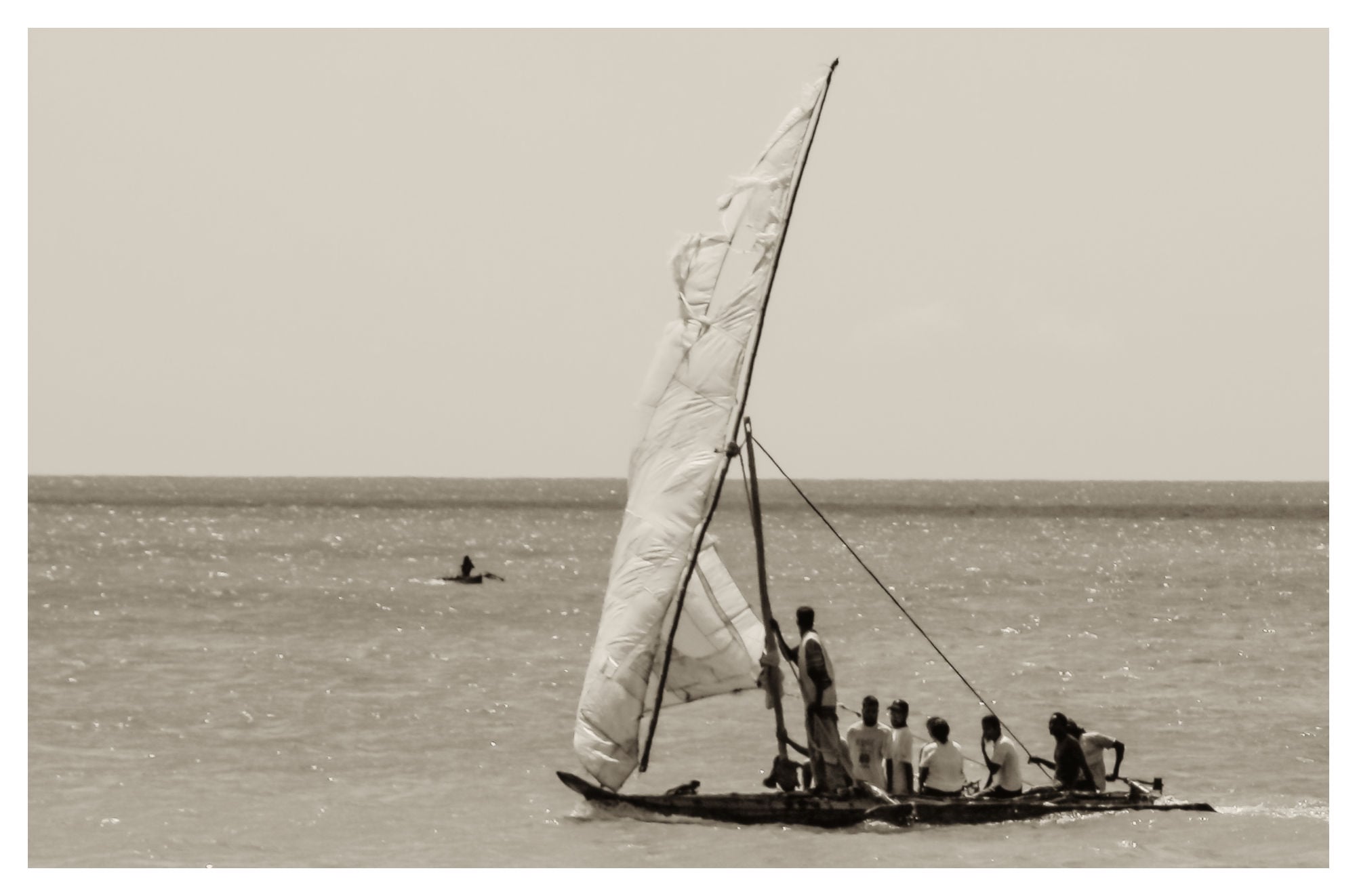
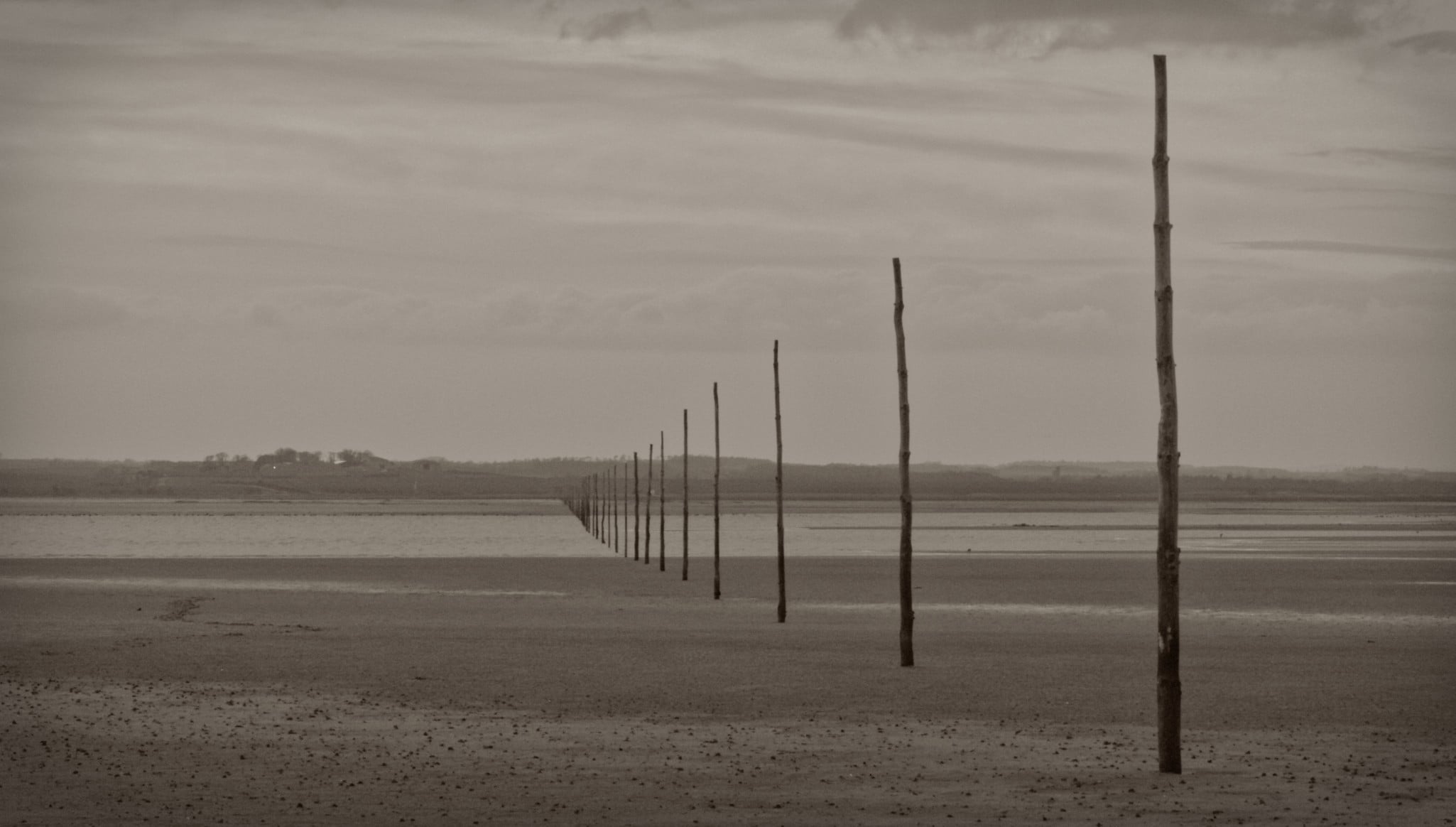
Saying all that, there is nothing wrong with mimicking your photographic heroes and trying to produce work that looks like theirs. For most people who pick up a camera, photography is fun and copying others is a great way to learn. Similarly, you can experiment with digital editing techniques, which gives opportunities to play with images and learn. “What happens if I do this?” is a good way to explore producing different-looking images. (The images accompanying this article were the result of me messing around with the camera and then in PhotoLab, Lightroom and Photoshop.)
Nobody has the right to tell you what to do. Even though they were not game changers in the same way as The Fab Four, The Monkees, Badfinger, The Byrds, and ELO all emulated The Beatles and produced some outstanding records.
One thing that every new art movement had in common was those who tried to resist the change. If you try something different, expect that some people won’t like it. However, if you want to be creative, start by playing. Combine different genres and styles and add unexpected elements. Maybe you can create something new. Then, adopt The Beatles’ attitude by both embracing and rejecting the norms. I cannot guarantee that you will become the photographic equivalent of Lennon, McCartney, Harrison and Starr, but you will have some fun along the way.