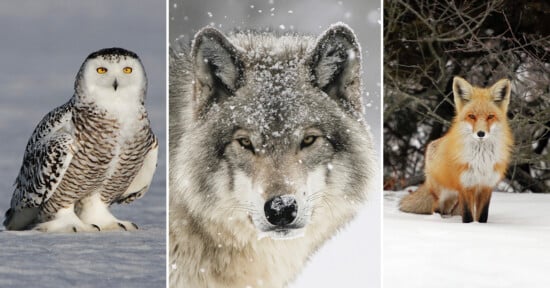
Master Winter Wildlife Photography: Everything You Need to Know
Master winter wildlife photography with expert tips on camera settings, gear, composition, and field strategies to capture stunning images of animals in snowy landscapes.
Master winter wildlife photography with expert tips on camera settings, gear, composition, and field strategies to capture stunning images of animals in snowy landscapes.
The holiday season is not far off, and photographers may be thinking about what they want as a gift. Here are some gift ideas for photographers of all levels of experience and budgets.

Whether you’re shopping for a seasoned pro or someone just discovering the joy of capturing moments, the right gear can make inspiration come to life. This curated gift guide highlights photography products that elevate creativity, sharpen skills, and make shooting more enjoyable -- ranging from essential tools to delightful extras any photographer would love to unwrap.
Previously, I wrote about five elements of art and how they can impact our photographs. However, there are three more elements that work in conjunction with points, lines, shape, and form that can elevate your photography further.
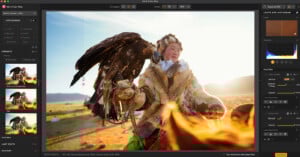
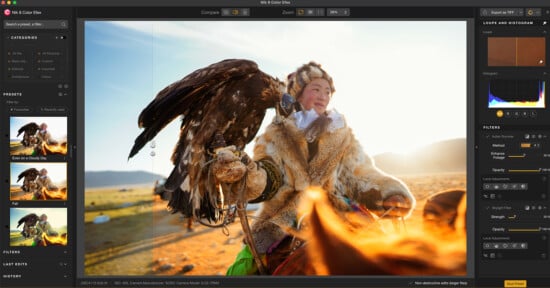
Beyond basic RAW adjustments lies the world of creative color grading where photographers define their signature style. DxO's recently updated Nik Collection 8 unlocks a staggering amount of creative potential, but knowing where to start with its powerful Color Efex plugin is key.
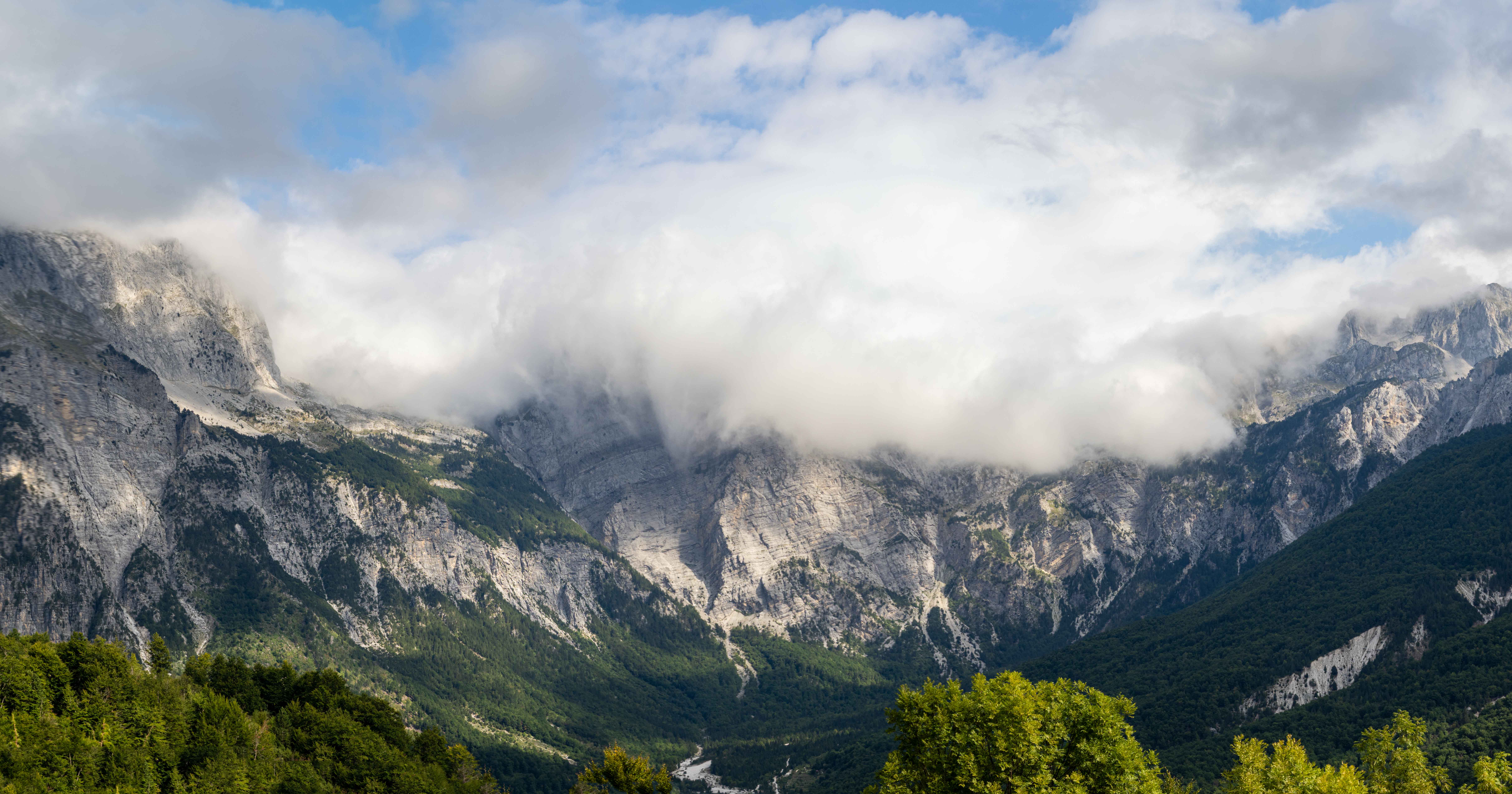
Merging multiple images into panoramas is a feature available in many editing programs and it is surprisingly easy to accomplish.
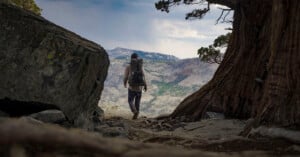
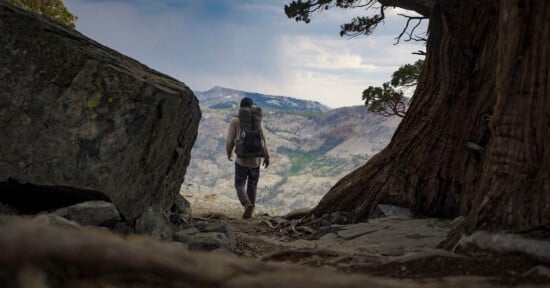
It was sunset on top of the tallest mountain in the continental United States, and I had two immediate priorities. One was dinner. As a long-distance backpacker on the Pacific Crest Trail, I was burning between 4,000 and 6,000 calories a day, and losing too much weight was a constant concern for myself and my friends. The other priority was 32.4 ounces of metal and glass clipped to the shoulder strap of my backpack: my camera. And as the sun sank towards the horizon, I kept neglecting my dinner in favor of keeping up with the ever-changing lighting.
Understanding the roles of the fundamental elements of art allows photographers to create compelling compositions. These elements are not merely aesthetic choices but tools for creating structure in your photography.
I sat on the floor surrounded by backpacking gear like I was in the middle of a summoning circle, carefully setting a headlamp on a gram scale in front of me. 47 grams. Not bad. I kept weighing items one by one, trying to find any unnecessary weight to cut, before I hefted my heaviest single piece of gear onto the scale and winced. 915 grams.

There’s a lot more to focusing than many novice photographers realize. When they delve into it, it can seem complex. However, it is easy to master once you have found your way around your camera.
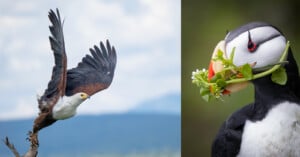
While birds inhabit every environment from remote wilderness to urban parking lots, capturing their beauty and behavior demands technical …
In my previous article, we embarked on an adventure that started with a basic understanding of metering and exposure. Hopefully, you appreciate how the camera measures light and how its aperture, ISO, and shutter speed can be balanced to expose the image correctly. Each of those changes the way the image looks, and here’s what the aperture does.

Newborn photography is one of the most beautiful yet delicate branches of photography. It is a field that combines artistry with significant ethical responsibility. Newborns are among the most vulnerable subjects to photograph, and even the slightest negligence can result in serious and irreversible harm.

While it may not be the most obvious platform, plenty of photographers upload to Reddit regularly, perhaps hoping to go viral or simply to be part of an online community.
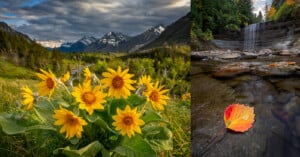
Landscapes are one of the most accessible yet challenging genres of photography. The challenge for many landscape photographers is effectively translating the experience of witnessing incredible moments in nature into a single, compelling frame.

For photographers, Tokyo is more than just the vibrant capital of Japan; it's also an endless series of photo opportunities. But beyond the viewfinder, it’s also home to an impressive array of camera shops, each offering something unique and filled with special character.

July 4 is here and while you can just choose to sit back and enjoy the festivities, it's a chance for photographers to practice capturing a surprisingly difficult subject: fireworks.
Autofocus (AF) is one of the most significant advancements in the history of photography. From the first autofocus camera -- the Konica C35 AF in 1977 -- to the first true autofocus ILC, the Minolta Maxxum 7000. Although manual focus still has its devotees -- especially in genres that reward deliberation, such as macro, landscape, or vintage shooting -- autofocus has become the default expectation for most modern photographers.
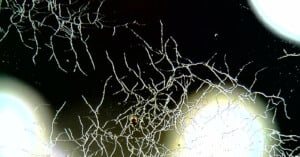
Pick up a dusty old lens from a flea market, an estate sale, or even your own forgotten storage bin, and you might notice something strange glinting beneath the surface of the front element: delicate white threads, odd patterns like spiderwebs or frost creeping across the inside of the glass. That eerie substance is lens fungus -- an unwelcome guest in the world of photography that quietly invades optical systems, thrives in darkness and moisture, and, if left untreated, can cause permanent and costly damage to your equipment.
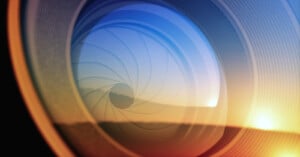
Photography is as much a science as it is an art, and nowhere is that more evident than in the construction of camera lenses. Behind every sharp image is a complex array of glass elements, coatings, and design choices that collectively shape how light is captured.
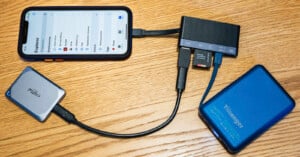
I’ve been searching for a better way to back up my photos on the road for over two decades -- basically since I made the jump from film to digital.
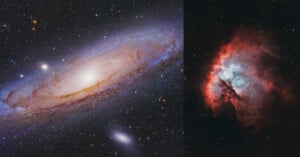
While photographing wide-angle nightscapes is a common occurrence for astrophotographers, not many capture the faint nebulae and distant galaxies hidden beyond the Milky Way. Trevor Jones, creator of AstroBackyard, turned his obsession with space into a dedicated passion, teaching himself astrophotography to share the deep-sky he first witnessed through a telescope. Now a successful YouTuber and respected voice in the community, Jones helps demystify the process.

Apple's redesigned M4 Mac mini and powerful Mac Studio are amazing computers for photographers and video editors, delivering excellent performance for the price. However, neither ships with a display, leaving customers to decide, "What's the best monitor for my Mac mini (or Mac Studio)?" PetaPixel offers three great options.
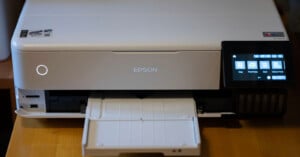
For the past two years, The Verge's Editor in Chief Nilay Patel has recommended the same Brother laser printer as the best option on the market, even going so far as to renew that guide with an entirely new story that includes a very funny AI-generated text section. However, I disagree with Patel and Brother's anti-consumer practices are making the publication doubt that choice, too.
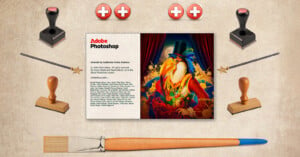
Fixing blemishes is one of the most basic uses for Photoshop, tiresome though it is at times. They vary, these blemishes, whether they’re dust spots on digital images, marks and scratches on film scans, or blobs, stains, and tears on old prints. Other blemishes are the kind that exist on your subject, like skin flaws.
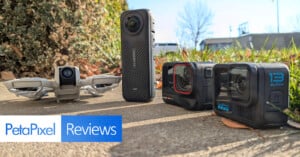
For years, my wife and I have been aimlessly stuck in a first-world conundrum. We enjoy traveling, and like most folks, we enjoy capturing photos and videos of our trips as keepsakes that remind us of the tremendous experiences we have been fortunate to have. But whenever we have considered buying a dedicated camera for our travels, we just haven’t been able to pull the trigger.
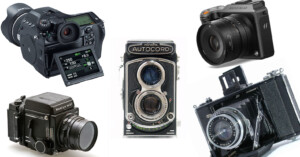
Medium format cameras have long been cherished by photographers for their ability to produce images with exceptional detail, rich tones, and a unique aesthetic that’s difficult to replicate in smaller formats. While these cameras were historically the tools of professional studios and well-funded enthusiasts, the growing interest in film photography has created a vibrant market for medium format options that cater to a range of budgets. This guide is here to help you navigate the world of budget-friendly medium-format film cameras and find the perfect model to match your creative ambitions without breaking the bank.
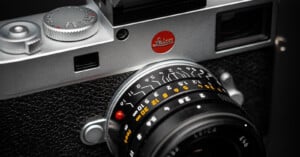
Leica M-mount cameras and lenses are legendary for their precision craftsmanship and stunning image quality. But let’s face it -- Leica glass can be intimidatingly expensive. If you’re dreaming of getting the most out of your Leica setup -- whether it be digital or analog -- without spending a small fortune, you’re in the right place. The truth is that these days, you needn’t buy the most expensive glass to get incredible results; most major manufacturers are making lenses that are, at minimum, good. Many of them are making excellent optics, including those relatively new to the scene.
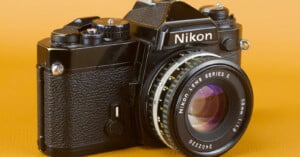
The resurgence of film photography in recent years has breathed new life into the world of analog cameras and for many, the 35mm format remains the gold standard. Its perfect balance of image quality, convenience, and affordability makes it a favorite among both newcomers and seasoned photographers.
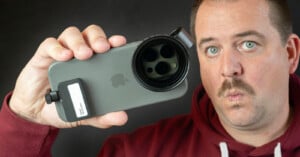
With the recent addition of the Apple Log profile in the Apple iPhone 15/16 Pro/Pro Max models, you can capture truly professional video with the phone in your pocket. We use iPhone footage interwoven with large sensor mirrorless cameras constantly when shooting PetaPixel’s YouTube videos, and few viewers have commented on a difference. However, to make iPhone video truly compare to dedicated cameras, it takes a bit of technique, and a few additional accessories.
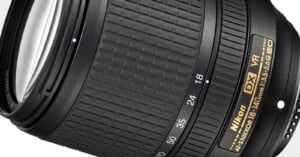
Few lens makers can claim a lineup as huge and diverse as Nikon's. Its legendary F-mount for film-based and digital SLRs has been in continuous production since 1959, along with the newer Z-mount specifically for mirrorless cameras that launched in 2018.
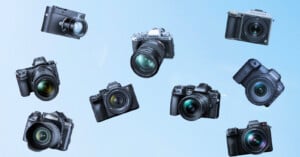
There is a recurring theme that sneaks its way into the comments section of the YouTube channel. We’ve heard this same statement on The PetaPixel Podcast many times as well and it goes a little something like this: "Why do I have to pay for the video features on a camera when I just take photos?"

With the Fourth of July quickly approaching in the United States, photographers are getting ready to capture the magic of fireworks shows. If you want to nail some spectacular shots, you'll want to pay attention to a few key tips.
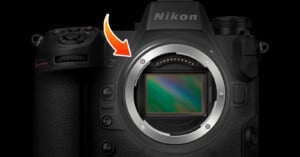
Nikon has done a great job providing a robust full-frame lens lineup for the Z-mount. There are so many choices that we thought it necessary to help narrow the field for you to this list of our favorite options across different focal lengths.
In the world of photography, achieving precise focus is a requirement when capturing great images. Whether you're shooting a landscape, a candid portrait, or a blink-and-you’ll-miss-it moment in a fast-paced event, sharp focus can make or break your image.
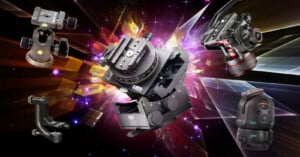
A tripod head is one of the most important pieces of equipment a photographer can own. Most photographers start with cheap, shoddily built tripods with integrated heads, sometimes bought as part of a kit. While they don’t know it, these tripods aren’t worth their weight in plastic, which is a fancy way of saying they’re worthless.
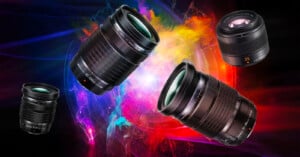
While most of the attention in the photography world is focused on full-frame and APS-C products -- hardly surprising since those are what most companies focus on -- Micro Four Thirds is still one of the best systems on the market.

Darkroom printing has long been an increasingly forgotten part of film photography. Even with many new photographers picking up film in recent years, a lot of them seem to ignore the practice of darkroom printing.

It used to be that if your digital image was too small for a particular application, you had no real options. You were stuck at the original resolution, or at least something close to it. Upscaling technology has changed the game, but not all apps are made equal.
The rise of generative AI means that huge archives of photographs and videos are suddenly valuable with the current situation being compared to a gold rush, but which platforms are licensing their content to large tech firms for the purposes of training AI models?
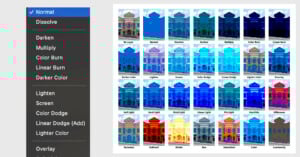
Photoshop can feel infinite. It’s a lot like a high-tech espresso machine or a sports car: you don’t have to use all of its features for it to be functional, but when you can, it’s a powerful tool.
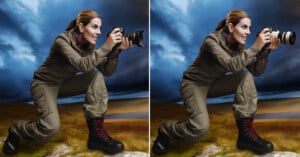
OpenAI has rolled out a new function for DALL-E 3: Allowing users to edit the images they create on the AI image generator.
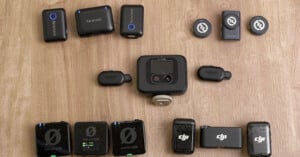
Microphones are an absolutely critical part of my video kit, and I’m very hard on them. So when I find something that works, I tend to stick with it for a long time.
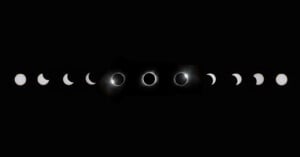
The upcoming solar eclipse on April 8 is a highly anticipated event, in large part because it will be the last to cross over North America for 20 years. It is a special event to witness and photograph, though it does require planning and preparation.
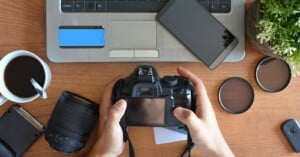
Camera equipment is expensive, making it hard for beginners to build kits and get started. Because of this, it can be tempting to opt for budget-friendly options for some pieces of equipment. Unfortunately, that's not always wise.

One of the single most worthwhile investments you can make as a photographer is paying for a bespoke website. Whether you’re a commercial assignment photographer looking to showcase your best work, a batch shooter wanting to create a home for your purchase galleries, or anything in between, an online presence outside of social media is a crucial component of any creative’s toolkit.

Texture layers are photos that are normally blended with other images as part of a composite rather than being used on their own. They can be color, monochrome, detailed, or blurred. The idea is simply to add an extra level of interest to a picture. In this guide, we will look at various ways of collecting and using texture layers for your photography projects.
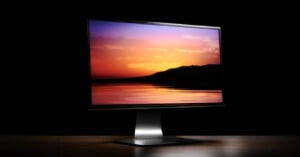
Many serious photographers say you must calibrate and profile your monitor, and maybe they’re right. But most camera users in this world enjoy their pictures without getting bogged down by such technicalities.
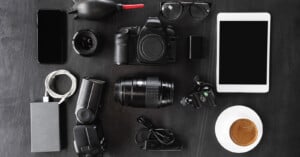
There's no denying that photography is a gear-focused endeavor. We are constantly pitched fancy new equipment with the idea that more gear will make us better photographers. For some photographers and their needs, that's absolutely true. But for those just starting, some equipment simply isn't necessary.
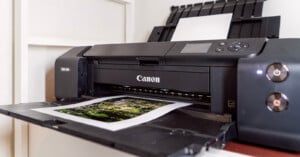
Printing your photos at home can get complicated and confusing rather quickly. Between choosing a printer and paper and problem-solving why the colors don't look like what you see on your display, it can be overwhelming, especially if you are just getting started.