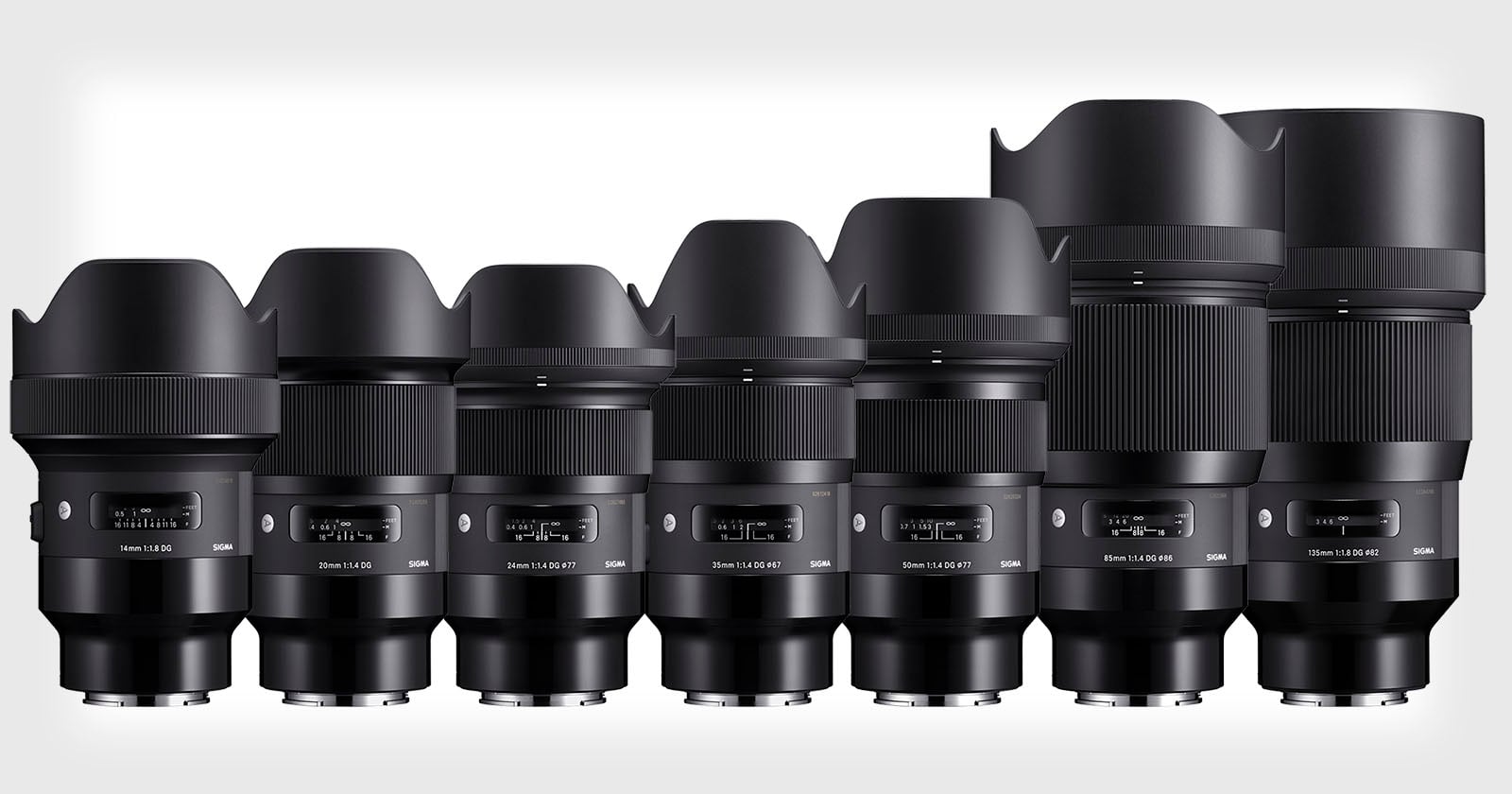
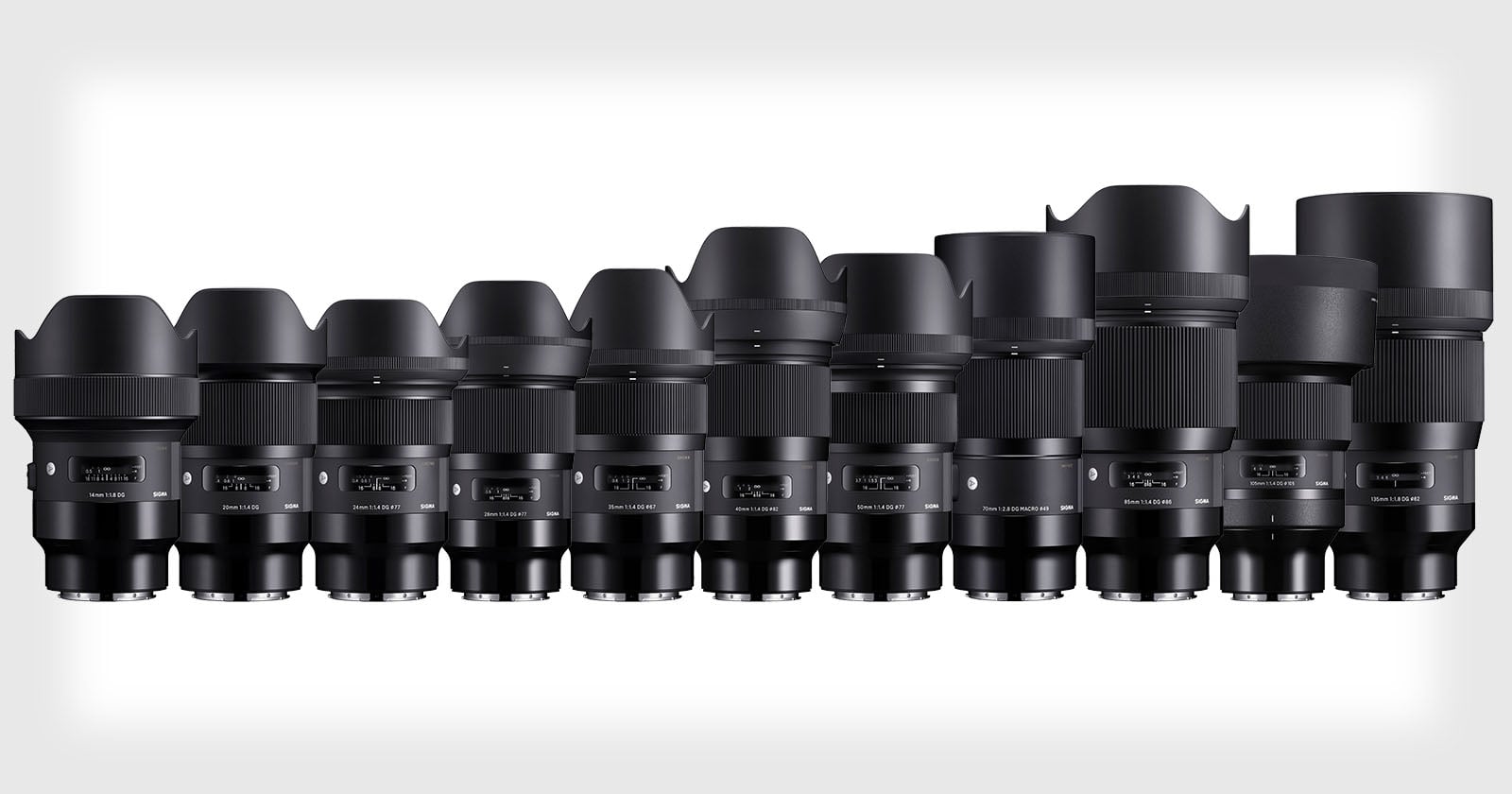
The Sigma 135mm f/1.4 Art Is a First-of-Its Kind for Modern Cameras

Sigma has announced the 135mm f/1.4 DG Art lens, the world’s first 135mm f/1.4 autofocus prime lens designed for full-frame mirrorless cameras. It is also the longest focal length prime lens in Sigma’s venerable Art series.
While 135mm f/1.8 lenses are a known commodity, there are no 135mm f/1.4 lenses for mirrorless cameras that are also equipped with autofocus (the Zhongyi Mitakon is manual focus only, and the Leica Summilux-C is one of a few manual focus cinema lenses available).
Sigma’s portrait telephoto prime features a construction of 17 elements arranged into 13 groups, including four FLD and two aspherical elements. It features an aperture range of f/1.4 through f/16 via a 13-bladed aperture diaphragm, which Sigma says produces extremely large, natural, near-circular bokeh even at the edges of the frame. Sigma adds that the size of the bokeh is even larger than that of the Sigma 105mm f/1.4 DG HSM Art lens, which it says is known as a “Bokeh Master.”

“The natural perspective unique to 135mm, together with its overwhelming bokeh, highlights the subject and creates dimensional portraits achievable only with this lens,” Sigma touts.
Looping back to the lens construction, Sigma says that the FLD elements are positioned together with high-dispersion elements strategically so that they suppress axial chromatic aberration, which Sigma says tends to be more pronounced in large-aperture telephoto lenses. The design promises to deliver crisp subject detail even when shot wide open, which Sigma specifically designed in tandem with the quality of the bokeh so that the lens performs at a very high level wide open.

The 135mm f/1.4 DG Art lens uses a floating focus system, which moves two focus groups independently so that it is capable of ensuring high resolution across the entire focus range. To drive this system, Sigma implemented two high-response linear actuators (HLA), one for each group.
“By incorporating two distinct types of HLAs, each optimized for the movement range of a focus group, the dual HLA system ensures both the high thrust needed for large-aperture telephoto lenses and fast, precise AF performance. This allows even fleeting expressions and fast-moving subjects to be captured with exceptional reliability,” Sigma boasts.
Below are a few sample images captured with the lens, provided courtesy of Sigma:


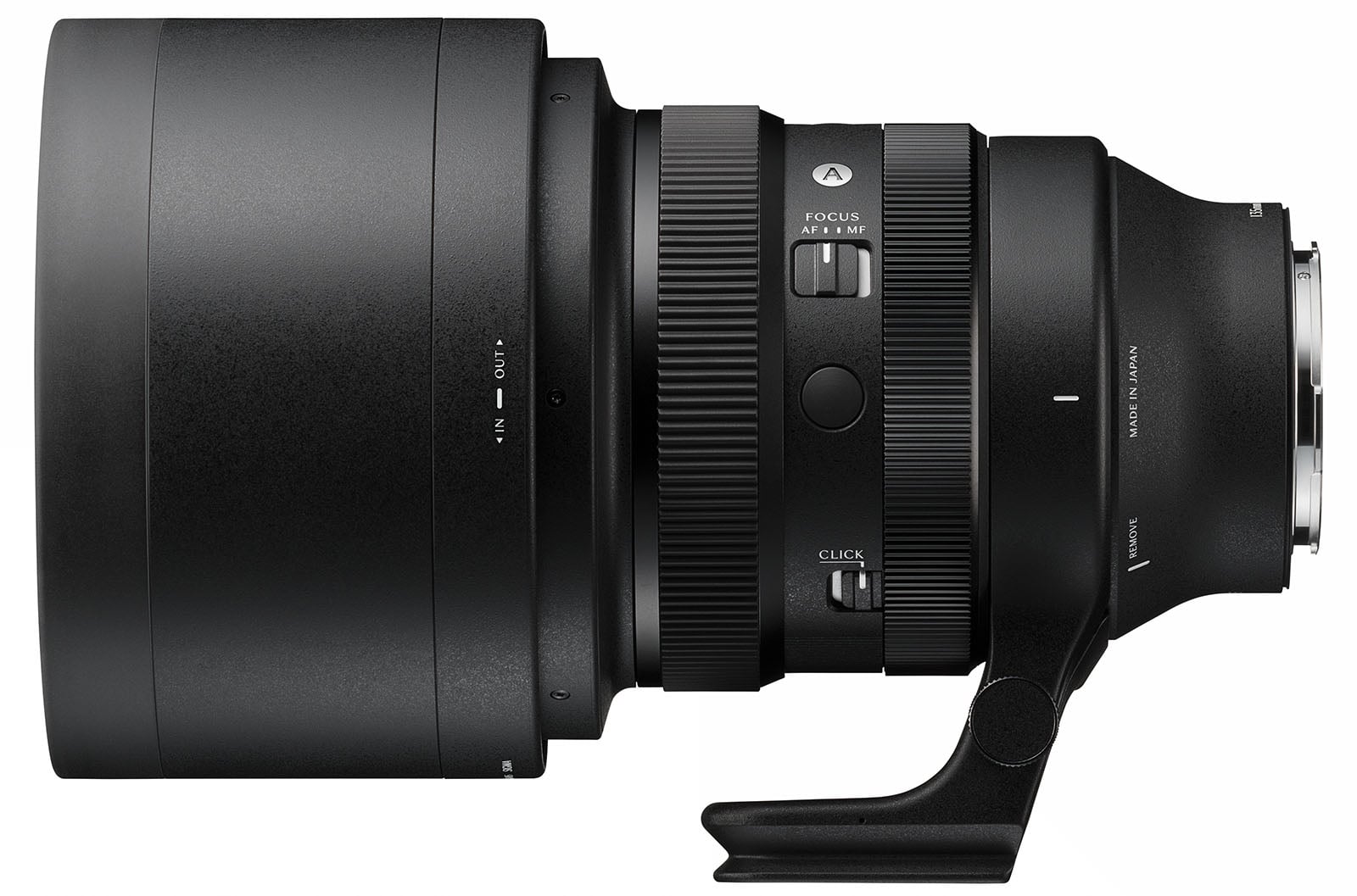
On the exterior, the lens features two AFL buttons, a de-clickable aperture ring, and a manual focus/autofocus selector switch. Sigma says the lens is dust and splash-resistant, and the front element will repel both water and oil. The tripod collar, which is removable, features integrated Arca-Swiss cutouts.
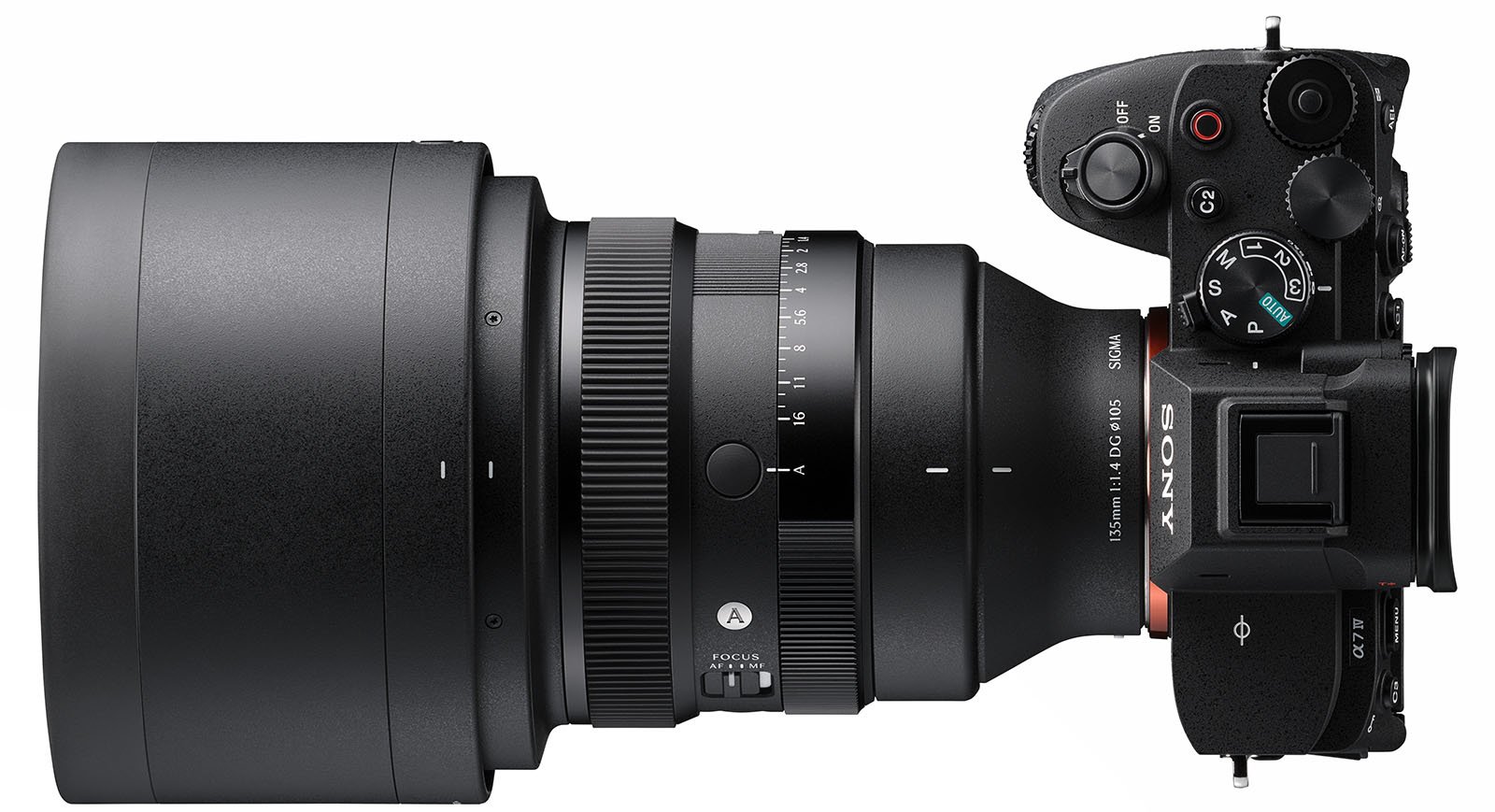
The lens isn’t particularly large, measuring 4.4 by 5.3 inches, but it is dense, weighing in at 1,430 grams (50.4 ounces). The 135mm f/1.4 DG Art is available for both E- and L-mount; however, support for switching between linear and non-linear focus ring settings is restricted to L-mount only. The lens is coming in September and will cost $1,899.
Image credits: Sigma